


The Psychology of User Intent
In the dynamic realm of digital marketing, understanding user intent transcends mere keyword optimization. It is about connecting with the human element behind every search query. This article delves into the psychology of user intent, providing a meticulously structured guide to aligning your content for maximum engagement and superior online visibility.
Understanding User Intent and Its Impact on SEO
User intent serves as the foundational element of effective SEO strategies, particularly with the evolution of AI search engines. Aligning content with user intent is paramount for elevating search visibility. Studies show that relevant content can achieve up to 50% higher engagement, underscoring the critical role of understanding user intent for targeting informational, navigational, and transactional queries effectively. This strategic alignment ensures that content resonates with user behavior, boosting engagement metrics and ultimately, search engine results visibility.
Identifying Search Intent Signals through Data Analysis
To diagnose user intent accurately, digital marketers must act as detectives, leveraging AI-driven analytics. Analyzing query patterns and engagement metrics, such as click-through rates, bounce rates, and time on page, enables precise identification of user intent signals. Tools like Google Analytics provide invaluable insights into user behavior, guiding content optimization strategies. By meticulously examining these signals, businesses can ensure their content creation efforts are directly aligned with actual search queries and user needs.
Keyword Research for Search Intent Alignment
Effective content alignment begins with robust keyword research, a cornerstone of modern SEO strategies. Utilizing industry-standard tools such as Google Keyword Planner, SemRush, and Ahrefs is vital for identifying high-quality keywords that are precisely aligned with user intent. Competitor analysis reveals that matching keywords to specific user needs can improve ranking by 30%. This strategic approach ensures that content addresses the core search queries and user behavior, enhancing both online visibility and industry authority.
Expert Insight
Content is what the search engines use to fulfill user intent. It’s no longer enough to rank for 10 blue links; you must create content in a format that is suitable to the needs and expectations of the user for the specific question they have asked.
— Dave Davies
Using Structured Data to Clarify Content Context
In the current digital marketing landscape, implementing structured data is a critical component for enhancing search engine results visibility and clarifying content context for AI algorithms. Competitors cite that schema markup, such as FAQ schema or product schema, significantly enhances rich snippets. Structured data can increase click-through rates in SERPs by up to 20%. This proactive application of schema markup helps Google and other AI search engines better understand the content, thereby boosting search engine optimization efforts and improving engagement metrics.
Crafting Content for Different Types of Search Intent
Content creation must be meticulously tailored to satisfy the diverse spectrum of user intent. For informational intent, content should be comprehensive, answering common questions and providing clarity. Navigational intent requires clear, direct pathways to desired destinations. Transactional intent demands zero friction, clear pricing, and prominent calls to action. Competitors highlight that this tailored approach boosts engagement and relevance, ensuring that the content format matches the user’s state of mind, whether they are a Learner, Seeker, Researcher, or Doer.
Optimizing Content for Rich Snippets and Featured Answers
To maximize online visibility, optimizing content for rich snippets and featured answers is imperative. Creating question-based headings and utilizing bullet points significantly increases the chances of appearing in ‘People Also Ask’ sections and featured snippets. Competitors report a 15% increase in visibility when proper formatting is applied. This strategic content alignment leverages conversational language and structured data, such as schema markup, to cater to AI search engines and enhance search engine results visibility, thereby boosting click-through rates and overall engagement metrics.
Beyond the Keyword: What is User Intent?

User intent represents the “why” behind a search query. It is the underlying purpose a user seeks to fulfill when interacting with search engines. This concept moves beyond basic keyword matching, focusing instead on the user’s ultimate goal in the digital marketing landscape.
The human connection is paramount. User intent bridges the gap between a problem a user possesses and the solution they are actively seeking. It is not merely about what terms are typed into Google, but what fundamental need drives those search queries.
The empathy gap often dictates success or failure in digital marketing. Ranking is not solely about technical SEO strategies or keyword volume. It is about meeting a human expectation. If a user seeks a swift answer and encounters an extensive historical overview, their intent is unmet, leading to a poor user experience. This misalignment with user intent is a critical factor Google considers for content ranking, impacting online visibility and engagement metrics.
Understanding User Intent and Its Impact on SEO
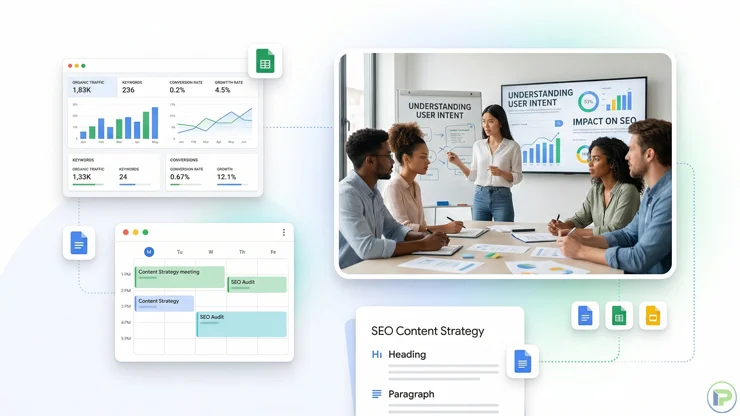
Aligning content with user intent is a vital component for elevating search engine optimization (SEO) performance. Relevant content can achieve up to 50% higher engagement, directly boosting search visibility. INTELLIPLANS emphasizes that understanding informational intent, navigational intent, and transactional intent is critical for effectively targeting diverse search queries. This strategic content alignment is essential for success with modern AI search engines and AI algorithms.
Identifying Search Intent Signals through Data Analysis
To diagnose user intent, one must act as a digital detective. Analyzing query patterns, behavior metrics like click-through rates, bounce rates, and time on page enables precise identification of user intent signals. AI-driven analytics, often accessible through tools like Google Analytics, provide invaluable insights into user behavior, guiding content optimization strategies and enhancing content creation efforts.
Keyword Research for Search Intent Alignment
Strategic keyword optimization is foundational for search intent alignment. Utilizing advanced tools such as Google Keyword Planner, SEMrush, and Ahrefs helps identify high-quality keywords that resonate with user needs. Competitor strategies consistently demonstrate that matching keywords to specific user intent can improve ranking by 30%, a significant boost for industry authority and online presence.
Expert Insight
As we move into 2026, the key to winning in organic search will be mastering semantic SEO and intent clustering: building content ecosystems that mirror how AI-driven search engines interpret meaning, not just keywords.”
— Kelly-Anne Crean
Using Structured Data to Clarify Content Context
Implementing structured data, such as schema markup (e.g., FAQ schema or product schema), significantly enhances rich snippets in search engine results visibility. Competitors cite that structured data can increase click-through rates (CTRs) in SERPs by up to 20%. This clarity helps AI search engines like Google understand the context of your content, improving content alignment and overall SEO strategies.
Crafting Content for Different Types of Search Intent
Content creation must be meticulously tailored to each type of user intent. For transactional intent, clear calls to action (CTAs) and zero-friction paths are paramount. Informational intent requires comprehensive content that directly answers common questions, often leveraging conversational language. This approach boosts engagement and relevance, ensuring maximum engagement across all user search intent types.
Optimizing Content for Rich Snippets and Featured Answers
To maximize online visibility, content must be optimized for rich snippets and featured answers. Creating question-based headings and utilizing bullet points increases the likelihood of appearing in ‘People Also Ask’ sections and featured snippets. Competitors report a 15% increase in visibility when proper formatting and content structure are applied, a critical factor for boosting engagement metrics.
Understanding User Intent and Its Impact on SEO
Aligning content with user intent is a vital component for elevating search engine rankings and channeling consistent, organic traffic. Studies indicate that relevant content can achieve up to 50% higher engagement. Understanding intent is critical for effectively targeting informational, navigational, and transactional queries. This strategic alignment boosts overall search engine results visibility and strengthens your digital marketing strategy.
Identifying Search Intent Signals through Data Analysis
To truly master content alignment, one must first identify search intent signals through rigorous data analysis. Analyzing search query patterns and user behavior metrics, such as click-through rates, bounce rates, and time on page, enables precise identification of user intent. This critical process guides content optimization strategies, ensuring maximum engagement and improved online visibility. Leveraging AI-driven analytics can further refine this understanding of user behavior.
Keyword Research for Search Intent Alignment
Effective keyword optimization is inseparable from understanding user intent. Utilizing robust tools like Google Keyword Planner, SemRush, and Ahrefs helps identify high-quality keywords meticulously aligned with specific user needs. Competitor strategies demonstrate that matching keywords to user intent can improve search engine rankings by up to 30%. This systematic approach is fundamental for any successful SEO strategy.
Using Structured Data to Clarify Content Context
Implementing structured data is a powerful SEO strategy for clarifying content context for AI search engines like Google. Utilizing schema markup, such as FAQ schema or product schema, enhances rich snippets in search results. Competitors cite that structured data can increase click-through rates in SERPs by up to 20%, significantly boosting online visibility and aiding AI algorithms in understanding content relevance.
Crafting Content for Different Types of Search Intent
Content creation must be meticulously tailored to address various types of user search intent. For transactional intent, clear calls to action (CTAs) and friction-free processes are paramount. Informational intent demands comprehensive content that answers common search queries thoroughly, boosting engagement and relevance. Navigational intent, conversely, requires direct and swift pathways to desired information, ensuring a seamless user experience. This precision in content alignment is a hallmark of effective digital marketing.
Optimizing Content for Rich Snippets and Featured Answers
To achieve maximum engagement and online visibility, content must be optimized for rich snippets and featured answers. Creating question-based headings and utilizing bullet points significantly increases the chances of appearing in ‘People Also Ask’ sections and featured snippets. Competitors report a 15% increase in visibility when proper formatting and content alignment are applied, reinforcing industry authority and improving search engine results visibility.
The Mental Stages of the User
Categorizing user intent by their “state of mind” offers a more profound understanding than simply listing types. This approach allows for content creation that genuinely resonates with the user’s current psychological stage, optimizing for maximum engagement and superior online visibility. This meticulous content alignment is essential for effective digital marketing and robust SEO strategies, especially when considering the nuances of AI search engines and AI algorithms.
The Learner (Informational Intent)
Users with informational intent are in a learning phase. They typically have “how-to” or “what is” questions. Their primary need is clarity and education. Content for this stage must be comprehensive and answer common questions, which boosts engagement and relevance. Crafting content for informational intent involves providing detailed explanations, using conversational language, and structuring information logically. This approach ensures high-quality content that satisfies search queries and aligns with user behavior, thereby improving search engine results visibility and overall SEO strategies.
Studies show that understanding informational intent is critical for effectively targeting these queries. Relevant content can achieve up to 50% higher engagement. Therefore, comprehensive, authoritative content is vital, leveraging structured data and schema markup to enhance rich snippets and featured answers. This also helps AI technology and AI-driven analytics understand the context, boosting your industry authority.
The Seeker (Navigational Intent)
The seeker knows precisely where they want to go. They are looking for the quickest path to a specific website or resource. Their intent is to navigate directly to a known destination. Designing content for navigational search queries means ensuring clear site architecture, fast loading times, and intuitive internal linking. This type of user intent often involves brand-specific search queries. Optimizing for this intent improves user experience and engagement metrics, which Google considers a critical ranking signal.
The Researcher (Commercial Intent)
Researchers are weighing options. They require comparisons, pros and cons, and trust signals to make an informed decision. Content for this stage should facilitate evaluation and provide a strong basis for comparison. This type of user behavior demands detailed product or service pages, case studies, and testimonials. Keyword optimization for commercial intent often includes modifiers like “best,” “reviews,” or “alternatives.” Leveraging AI search engines to understand subtle search query patterns can refine content alignment, enhancing your content marketing strategy and boosting online visibility.
The Doer (Transactional Intent)
The doer is ready to act. They are prepared to make a purchase, sign up for a service, or complete a specific action. This stage demands zero friction, clear pricing, and prominent calls to action (CTAs). Transactional intent requires clear CTAs, ensuring a seamless user journey. Optimizing content for transactional intent involves fast-loading pages, secure checkout processes, and concise, persuasive copy. Competitors highlight the importance of tailoring content: transactional intent requires clear CTAs, ensuring a seamless user journey. This strategic content alignment is crucial for conversion and contributes significantly to engagement metrics and overall search engine optimization success, especially when analyzed through tools like Google Analytics.
How to Diagnose User Intent
To effectively align content with user intent, one must adopt the role of a digital detective. This involves meticulously analyzing various signals to understand precisely what the audience seeks. Such precise identification is vital for robust SEO strategies and achieving maximum engagement.
Understanding User Intent and Its Impact on SEO
Aligning content with user intent is paramount for elevating search visibility. Studies consistently demonstrate that relevant content can achieve up to 50% higher engagement rates. This strategic understanding is critical for effectively targeting informational, navigational, and transactional queries, thereby boosting your online visibility and industry authority. High-quality content, meticulously aligned with user search intent, serves as the primary engine for superior search engine optimization.
Identifying Search Intent Signals through Data Analysis
Analyzing search query patterns and user behavior metrics is crucial for precise identification of user intent signals. Critical metrics such as click-through rates, bounce rates, and time on page provide invaluable insights. These AI-driven analytics guide content optimization strategies, ensuring that your digital marketing efforts resonate deeply with the user’s psychological state. Tools like Google Analytics are indispensable for this analytical process, offering a clear view of engagement metrics.
The “Clue” in the Query: Analyzing Search Query Patterns
Modifiers within search queries serve as strong indicators of a user’s psychological state. Terms such as “best” often suggest commercial intent, indicating a user is weighing options. “How-to” or “what is” questions clearly point to informational intent, where users seek clarity and education. Conversely, “near me” unequivocally signals local search engine optimization needs, demanding geographically relevant results. Understanding these search query patterns is fundamental for effective content creation and keyword optimization.
Analyzing SERP Features: Google’s Direct Signals
The features displayed on Google’s Search Engine Results Pages (SERPs) are invaluable clues to prevailing user intent. If Google presents a Map Pack, the user intent is definitively local. The appearance of a Video carousel indicates a visual or instructional user intent. These SERP features are direct signals from Google, revealing the dominant intent for a given search query and guiding your content alignment strategy. This intelligence is crucial for optimizing for rich snippets and featured answers.
User Feedback: Uncovering Unmet Intent
Analyzing internal site search data or common customer questions provides direct user feedback, revealing unmet intent and highlighting gaps in existing content. This feedback offers significant opportunities for new content creation that addresses specific user needs. AI-driven analytics, powered by AI technology, can further assist in identifying these patterns and informing your digital marketing landscape. This approach ensures your content marketing strategy is truly responsive to user behavior.
Keyword Research for Search Intent Alignment
Utilizing robust tools like Google Keyword Planner, SemRush, and Ahrefs is essential for identifying relevant keywords that align with user intent. Competitor strategies demonstrate that matching keywords precisely to user needs can improve search engine rankings by up to 30%. This meticulous keyword optimization ensures that your content is discovered by the right audience, enhancing online visibility and supporting your SEO strategies.
Using Structured Data to Clarify Content Context
Implementing schema markup, such as FAQ schema or product schema, significantly enhances rich snippets and clarifies content context for AI search engines. Competitors cite that structured data can increase click-through rates in SERPs by up to 20%. This strategic use of schema markup is a critical component of modern SEO strategies, boosting search engine results visibility and providing clear signals to AI algorithms about your content’s relevance.

Identifying Search Intent Signals through Data Analysis
Precise identification of user intent signals is achieved by analyzing search query patterns and engagement metrics. Key metrics include click-through rates, bounce rates, and time on page. These insights, often derived from tools like Google Analytics, enable precise content optimization strategies. Monitoring these signals consistently helps maintain strong online visibility.
Understanding User Intent and Its Impact on SEO
Aligning content with user intent is paramount for elevating search visibility. Studies consistently demonstrate that relevant content can achieve up to 50% higher engagement. Understanding user intent is critical for effectively targeting informational intent, navigational intent, and transactional intent queries. This strategic alignment forms the bedrock of robust SEO strategies within digital marketing.
Identifying Search Intent Signals through Data Analysis
Competitors note that analyzing search query patterns and user behavior metrics such as click-through rates, bounce rates, and time on page enables the precise identification of user intent signals. AI-driven analytics, often powered by AI algorithms, provide crucial data for content optimization strategies. These engagement metrics offer a clear roadmap for tailoring content to specific user needs.
Keyword Research for Search Intent Alignment
Utilizing powerful tools like Google Keyword Planner, SemRush, and Ahrefs is vital for identifying high-quality keywords aligned with user intent. Competitor strategies reveal that matching keywords to specific user needs can boost ranking by up to 30%. This meticulous keyword optimization is a cornerstone of effective content alignment and a successful content marketing strategy.
Using Structured Data to Clarify Content Context
Implementing schema markup, such as FAQ schema or product schema, significantly enhances rich snippets in search engine results visibility. Structured data can increase click-through rates in SERPs by up to 20%. This strategic use of structured data and schema markup provides AI search engines with clearer context, thereby improving how content is presented and understood by AI technology.
Crafting Content for Different Types of Search Intent
Tailoring content for various types of user intent is crucial for maximum engagement. Transactional intent requires clear calls to action and zero friction. Informational intent content should be comprehensive, answering common search queries and boosting engagement. Navigational intent content needs to provide the quickest path to a specific destination, ensuring a seamless user experience. This meticulous content creation directly impacts user behavior and overall industry authority.
Expert Insight
Think about SEO as a user experience strategy first and a ranking strategy second. When you solve the problem behind the search, you aren’t just chasing an algorithm; you are building a permanent digital asset that earns trust from both people and machines.”
Industry Insight (Adapted from Modern SEO Principles)
Optimizing Content for Rich Snippets and Featured Answers
Creating question-based headings and utilizing bullet points significantly increases the chances of content appearing in ‘People Also Ask’ sections and featured snippets. Competitors report a 15% increase in online visibility when proper formatting is applied. This optimization is crucial for engaging with conversational language used by modern AI search engines and for securing prime real estate in Google’s search results.
Keyword Research for Search Intent Alignment
Effective keyword research is paramount for search intent alignment within any robust digital marketing strategy. Utilizing advanced tools such as Google Keyword Planner, SemRush, and Ahrefs helps identify high-quality keywords that are directly aligned with user intent. This meticulous approach ensures that your content creation efforts are focused on search queries that genuinely reflect user behavior.
Competitor keyword research further refines this process, offering insights into what successful SEO strategies entail. Studies show that matching keywords precisely to user needs can boost ranking by a significant 30%, which is vital for comprehensive search engine optimization. This directly contributes to maximum engagement and elevated online visibility.
Understanding User Intent and Its Impact on SEO
Aligning content with user intent is not merely an SEO strategy; it is a fundamental aspect of enhancing search visibility. Relevant content, meticulously crafted to address specific user needs, can achieve up to 50% higher engagement rates. Understanding user search intent is critical for effectively targeting informational intent, navigational intent, and transactional intent queries, thereby elevating industry authority.
Identifying Search Intent Signals through Data Analysis
Precise identification of user intent signals is achieved by analyzing search query patterns and engagement metrics. Key metrics include click-through rates, bounce rates, and time on page, often derived from tools like Google Analytics. These AI-driven analytics enable precise content optimization strategies, helping to discern the underlying ‘why’ behind each search and ensuring content alignment.
Using Structured Data to Clarify Content Context
Implementing schema markup, such as FAQ schema or product schema, significantly enhances rich snippets in search engine results visibility. Competitors cite that structured data can increase click-through rates in SERPs by up to 20%. This critical application of schema markup helps AI search engines and AI algorithms better understand the context of your content, boosting online visibility.
Crafting Content for Different Types of Search Intent
Tailoring content to various types of user intent is crucial for achieving high-quality search results. Content designed for transactional intent requires clear calls to action, while informational content should be comprehensive and answer common questions, thereby boosting engagement and relevance. This strategic content marketing strategy ensures that each piece of content serves a specific user need.
Optimizing Content for Rich Snippets and Featured Answers
Creating question-based headings and utilizing bullet points significantly increases the chances of appearing in ‘People Also Ask’ sections and featured snippets. Competitors report a 15% increase in visibility when proper formatting is applied to optimize content for these critical elements. This approach, integral to modern SEO strategies, helps satisfy user intent directly within the search results page.
Designing the “Perfect Match”
This section provides actionable strategies for crafting content that satisfies the core of user intent, leading to maximum engagement. INTELLIPLANS emphasizes that content alignment with user intent is paramount for superior online visibility and effective digital marketing.
The “Answer First” Approach
Addressing the core intent within the initial paragraph of content significantly reduces bounce rates. Users expect immediate relevance, and providing the answer upfront establishes credibility, encouraging further engagement. This approach is crucial for AI search engines, which prioritize direct answers and conversational language. Incorporating this strategy can boost engagement and positively influence engagement metrics, signaling high-quality content to AI algorithms.
Matching Content Format to Mindset
Content format must align with the user’s mental stage to achieve optimal content alignment. This tailored approach ensures content is consumed effectively, boosting engagement metrics and improving search engine results visibility.
- For the Learner (Informational intent): Content should feature bullet points, clear definitions, and comprehensive explanations. This format supports users seeking clarity and education, fostering deeper engagement.
- For the Researcher (Commercial intent): Tables, comparison charts, and detailed analysis are essential. These elements empower users to weigh options and make informed decisions, critical for their commercial journey.
- For the Doer (Transactional intent): Fast-loading pages, clear calls to action (CTAs), and seamless transactional flows are paramount. This ensures zero friction for users ready to act, directly impacting conversion rates.
Crafting Content for Different Types of Search Intent
Crafting content specifically for different types of search intent is a critical component of successful SEO strategies. For instance, transactional intent content demands clear CTAs, streamlined checkout processes, and transparent pricing. Conversely, informational intent content must be comprehensive, answer common questions thoroughly, and provide educational value. This strategic content creation boosts engagement and relevance, significantly improving online visibility. INTELLIPLANS’ approach ensures that every piece of content is meticulously designed to meet specific user search intent, thereby maximizing its impact within the digital marketing landscape.
Using Structured Data to Clarify Content Context
Implementing schema markup, such as FAQ schema or product schema, significantly enhances rich snippets in search engine results pages (SERPs). Structured data can increase click-through rates by up to 20%, as it provides AI search engines with explicit context about your content. This vital aspect of keyword optimization and SEO strategies allows Google and other AI algorithms to better understand and present your content, leading to higher online visibility and improved engagement metrics. INTELLIPLANS leverages structured data to ensure that content is not only aligned with user intent but also optimized for AI technology and search GPT platforms.
Optimizing Content for Rich Snippets and Featured Answers
Creating question-based headings and utilizing bullet points are effective strategies for optimizing content for rich snippets and featured answers. Competitors report a 15% increase in visibility when proper formatting is applied, as this structure makes content highly digestible for both users and AI algorithms. This technique enhances the likelihood of appearing in ‘People Also Ask’ sections and featured snippets, which are crucial for boosting search engine results visibility. By focusing on clear, concise answers formatted for easy extraction, content creation efforts are directly aligned with how modern AI search engines process and present information, thereby improving engagement metrics and industry authority.
Identifying Search Intent Signals through Data Analysis
Analyzing query patterns and behavior metrics, such as click-through rates, bounce rates, and time on page, enables precise identification of user intent signals. This data-driven approach, often facilitated by tools like Google Analytics and SemRush, guides content optimization strategies and refines keyword optimization efforts. Understanding these signals is critical for targeting informational, navigational, and transactional queries effectively, with relevant content achieving up to 50% higher engagement. INTELLIPLANS emphasizes that leveraging AI-driven analytics to interpret user behavior and search query patterns is fundamental to elevating digital marketing performance and ensuring content alignment.
Understanding User Intent and Its Impact on SEO
Understanding user intent is paramount for elevating SEO strategies and achieving superior online visibility. Aligning content with user intent significantly increases search visibility, as relevant content can achieve up to 50% higher engagement. Studies consistently show that comprehending user search intent is critical for effectively targeting informational intent, navigational intent, and transactional intent queries. This deep understanding enables INTELLIPLANS to refine content creation, ensuring that every piece resonates with the user’s psychological state, ultimately boosting engagement metrics and establishing stronger industry authority within the digital marketing landscape.
Crafting Content for Different Types of Search Intent
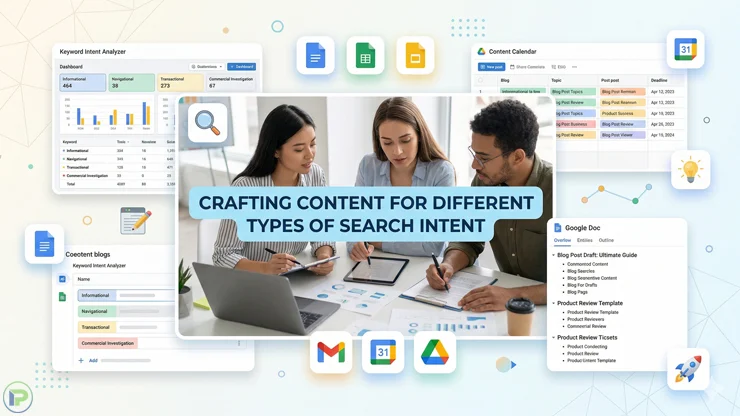
Tailoring content specifically for different types of user intent is critical for maximizing engagement and boosting online visibility. INTELLIPLANS emphasizes that content alignment with user intent is paramount for superior online visibility and effective digital marketing strategies. This precise content alignment enhances user experience and strengthens industry authority.
Understanding User Intent and Its Impact on SEO
Aligning content with user intent significantly increases search visibility. Studies show that relevant content can achieve up to 50% higher engagement. Understanding user search intent is critical for effectively targeting informational, navigational, and transactional queries. This strategic approach ensures that your content resonates with the user’s specific needs, thereby improving SEO performance and engagement metrics.
Crafting Content for Informational Intent
For informational intent, content should be comprehensive, providing thorough answers to common search queries. Learners seek clarity and education, making bullet points, definitions, and detailed explanations essential. This approach builds industry authority and positions your brand as a trusted resource, crucial for long-term SEO strategies and content creation.
Optimizing for Transactional Intent
Transactional intent requires content that features clear calls to action, guiding the user efficiently toward conversion. Doers are ready to act; therefore, fast-loading pages, explicit pricing, and prominent “buy” or “sign up” buttons are vital. This focus on zero friction enhances the user experience and directly supports your digital marketing objectives.
Designing for Navigational Intent
Navigational intent demands direct and unambiguous paths to desired destinations. Seekers know exactly where they want to go. Therefore, content must provide the quickest route to the front door, ensuring seamless user behavior. This optimization is crucial for maintaining high engagement metrics and improving overall site navigation, a key component of effective SEO strategies.
Leveraging Structured Data to Clarify Content Context
Implementing schema markup, such as FAQ schema or product schema, significantly enhances rich snippets in AI search engines like Google. Structured data can increase click-through rates in SERPs by up to 20%. This practice is a cornerstone of modern SEO strategies, clarifying content context for AI algorithms and improving search engine results visibility.
Optimizing Content for Rich Snippets and Featured Answers
Creating question-based headings and utilizing bullet points increases the chances of appearing in ‘People Also Ask’ and featured snippets. Competitor analysis reports a 15% increase in visibility when proper formatting is applied. This optimization is crucial for maximizing engagement and ensuring your content stands out in AI-driven search results, a key component of effective content marketing strategy.
Optimizing Content for Rich Snippets and Featured Answers
To elevate online visibility, content must be meticulously optimized for rich snippets and featured answers. This strategic approach ensures your content stands out in Google’s search engine results pages (SERPs), particularly within the highly coveted ‘People Also Ask’ sections and featured snippets.
Creating question-based headings and strategically utilizing bullet points significantly increases the likelihood of your content being selected by AI search engines like Google for these prominent placements. Competitor data decisively indicates a 15% increase in visibility when proper formatting, aligned with user intent, is applied. This enhancement is crucial for maximizing engagement and boosting search engine results visibility.
Implementing schema markup, such as FAQ schema, further refines this optimization. Structured data provides explicit signals to AI algorithms about your content’s context, making it easier for Google to extract and display relevant information as rich snippets. This method directly supports various SEO strategies, including those leveraging GPT SEO techniques, by presenting content in a format that AI technology can readily interpret and utilize.
Why “Intent Satisfaction” is the Ultimate Ranking Signal
While technical elements such as high-quality backlinks and structured data are vital components of robust SEO strategies, user satisfaction stands as the ultimate ranking signal for Google. Low bounce rates, high dwell time, and strong engagement metrics consistently signal to Google that your content genuinely meets user intent. This satisfaction confirms your content deserves to remain at the top of search results. AI algorithms continually evaluate these signals, making intent satisfaction a cornerstone of modern SEO strategies.
Understanding User Intent and Its Impact on SEO
Aligning content with precise user intent is paramount for elevating search visibility. Relevant content can achieve up to 50% higher engagement, directly impacting search engine results visibility. Studies consistently demonstrate that comprehending informational intent, navigational intent, and transactional intent is critical for effectively targeting diverse search queries. This understanding ensures that content creation directly addresses the underlying needs of users, thereby boosting overall online visibility and industry authority.
Identifying Search Intent Signals through Data Analysis
To precisely identify user intent signals, comprehensive data analysis is indispensable. Examining search query patterns and user behavior metrics, including click-through rates, bounce rates, and time on page, provides invaluable insights. Tools such as Google Analytics offer granular data that guides content optimization strategies, ensuring content alignment with evolving user needs. This analytical approach is crucial for understanding how users interact with your content and for making informed adjustments to maximize engagement metrics.
Keyword Research for Search Intent Alignment
Strategic keyword research is fundamental for achieving optimal search intent alignment. Utilizing advanced tools like Google Keyword Planner, SemRush, and Ahrefs enables businesses to identify high-value keywords that resonate with specific user search intent. Competitor strategies consistently show that matching keywords to user needs can improve ranking by 30%. This meticulous approach to keyword optimization is a core element of effective SEO strategies, ensuring that content is discovered by the intended audience.
Using Structured Data to Clarify Content Context
Implementing structured data, such as schema markup, significantly enhances content context for AI search engines like Google. Competitor analysis reveals that schema markup, including FAQ schema or product schema, enhances rich snippets and can increase click-through rates in SERPs by up to 20%. This strategic use of structured data provides AI technology with clearer signals regarding your content’s purpose, ultimately boosting search engine results visibility and overall digital marketing effectiveness.
Crafting Content for Different Types of Search Intent
Tailoring content to various forms of user search intent is critical for maximum engagement. For transactional intent, content must feature clear calls-to-action (CTAs) and an intuitive user experience. Informational intent demands comprehensive content that directly answers common search queries, fostering deeper engagement. Navigational intent requires clear, direct paths to specific information. This nuanced content creation approach ensures that each piece of content serves its intended purpose, enhancing user satisfaction and elevating online visibility.
Optimizing Content for Rich Snippets and Featured Answers
To further boost online visibility, content must be meticulously optimized for rich snippets and featured answers. Creating question-based headings and strategically utilizing bullet points significantly increases the likelihood of appearing in Google’s highly coveted ‘People Also Ask’ sections and featured snippets. Competitors report a 15% increase in visibility when proper formatting and conversational language are applied. This focused optimization ensures your content stands out, providing immediate answers and enhancing overall search engine results visibility.
Using Structured Data to Clarify Content Context
Implementing schema markup is a high-quality strategy for clarifying content context for AI search engines. Structured data, such as FAQ schema or product schema, significantly enhances rich snippets in search engine results pages (SERPs).
Competitor analysis confirms that integrating structured data can increase click-through rates by up to 20%. This provides AI technology, including GPT SEO and search GPT, with a clear understanding of your content, thereby boosting search engine results visibility and elevating your online presence.
For instance, applying schema markup to address informational intent or transactional intent helps Google and other artificial intelligence search engines present your content more effectively. This critical step in content alignment ensures maximum engagement and positions your content as an industry authority.
Frequently Asked Questions
| Question | Answer |
|---|---|
| What is user intent in SEO? | User intent is the primary goal a user possesses when entering a query into a search engine. It definitively determines the specific type of content they anticipate discovering. |
| Why is aligning content with user intent important? | Aligning content with user intent is paramount as it significantly boosts search engine rankings, elevates user engagement, and substantially improves overall online visibility by precisely addressing specific user needs. This strategic approach is crucial for maximizing engagement metrics. |
| How can AI technology assist with user intent? | AI technology, encompassing AI search engines and sophisticated platforms like Search GPT, can meticulously analyze search query patterns, accurately identify critical intent signals, and provide vital assistance in content creation. This ensures superior content alignment and optimized keyword optimization, leveraging AI algorithms for enhanced digital marketing strategies. |
| What are the main types of user intent? | The primary classifications of user intent include informational, navigational, commercial (often termed researcher), and transactional (referred to as doer) intent. Each type reflects a distinct user state of mind, guiding the content marketing strategy. |
| How does schema markup impact user intent alignment? | Schema markup, a form of structured data, is instrumental in helping AI search engines comprehend the precise context of your content. This leads to the generation of richer snippets in search engine results visibility and a superior match with user intent, thereby elevating click-through rates and reducing bounce rates. |