


Understanding Google Algorithms: The Foundation of SEO
Google Algorithms are the complex set of rules and calculations Google uses to retrieve data from its search index and deliver the best possible search results for a user’s query. For anyone involved in SEO, understanding these algorithms is crucial for achieving higher rankings in the Search Engine Results Pages (SERPs) and driving organic traffic to their website.Why are Google Algorithms Important for SEO?
Google Algorithms are the gatekeepers of the SERPs. They determine which websites appear at the top of search results and which are buried on later pages. By understanding how these algorithms work, you can optimize your website and content to align with Google’s ranking factors, ultimately improving your visibility and attracting more potential customers. Ignoring Google Algorithms is like navigating a maze blindfolded – you might stumble upon success by chance, but it’s far more efficient and effective to understand the pathways.Key Google Algorithm Updates and Their Impact on SEO
Over the years, Google has released countless algorithm updates, some minor, some significant, all aimed at improving the quality of search results. Here are a few noteworthy examples:- Panda: This update targeted thin content and duplicate content, penalizing websites with low-quality or copied material. Optimizing content quality became paramount for SEO after Panda.
- Penguin: Penguin focused on link spam and manipulative link-building tactics. It emphasized the importance of earning high-quality, natural backlinks to a website.
- Hummingbird: This update improved Google’s semantic search capabilities, allowing it to understand the intent behind a user’s search query rather than just focusing on individual keywords. This update highlighted the importance of context and user experience in SEO.
- RankBrain: A machine-learning component of the core algorithm, RankBrain helps Google process and understand complex search queries, further refining the search results. Adapting to RankBrain requires focusing on user experience and providing relevant, informative content.
- BERT: Bidirectional Encoder Representations from Transformers (BERT) helps Google understand the nuances of natural language, improving its ability to interpret complex and conversational search queries. This further underscores the importance of writing high-quality, natural-sounding content.

Optimizing Your Website for Google Algorithms
Successfully navigating the complexities of Google Algorithms requires a multifaceted approach to SEO. Here are some key strategies:- High-Quality Content: Create informative, engaging, and valuable content that addresses the needs of your target audience. Focus on providing comprehensive answers to their search queries.
- Keyword Research: Conduct thorough keyword research to identify relevant terms and phrases that users are searching for. Integrate these keywords naturally throughout your content. For more in-depth keyword research, please read this article.
- On-Page Optimization: Optimize your website’s on-page elements, including title tags, meta descriptions, header tags, and image alt text, using relevant keywords. Ensure your website is mobile-friendly and loads quickly.
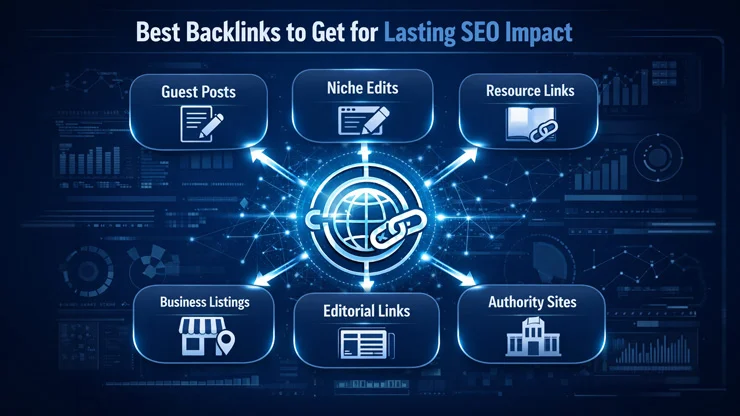
- Link Building: Earn high-quality backlinks from reputable websites. Focus on building a natural link profile that signals authority and relevance to Google Algorithms.
- User Experience (UX): Provide a positive user experience by ensuring your website is easy to navigate, loads quickly, and is accessible on all devices.
Staying Ahead of Algorithm Changes
Google Algorithms are constantly evolving. To maintain your SERP rankings, it’s essential to stay informed about the latest updates and adapt your SEO strategy accordingly. Following industry blogs, attending SEO conferences, and continually analyzing your website’s performance are crucial for sustained success. For in-depth information about Google’s algorithms, visit the official Google Search Central Blog. By understanding and adapting to the intricacies of Google Algorithms, you can significantly improve your website’s visibility, drive targeted traffic, and achieve long-term SEO success. Focus on delivering value to your audience and adhering to best practices, and you’ll be well-positioned to thrive in the ever-changing world of search engine optimization.The Future of Google Algorithms and SEO
As technology advances, so too will Google’s algorithms. We can expect to see an even greater emphasis on:
Artificial Intelligence (AI): AI and machine learning will play an increasingly prominent role in shaping search results. Understanding how AI impacts search and adapting your SEO strategy accordingly will be critical. User Experience: Google’s focus on user experience will only intensify.
Factors like page speed, mobile-friendliness, and accessibility will become even more important for ranking well in the SERPs.
Voice Search: With the rise of voice assistants, optimizing for voice search will be essential. This includes focusing on long-tail keywords and conversational language.
Semantic Search: Google will continue to refine its understanding of natural language and user intent. Creating content that answers specific user queries in a comprehensive and informative way will be crucial.
Embrace the Evolution of Search
The world of SEO is dynamic. By staying informed about the latest trends and adapting to the ever-changing landscape of Google Algorithms, you can ensure your website remains competitive and continues to attract valuable organic traffic.
The key is to focus on providing a positive user experience, creating high-quality content, and building a strong online presence. By prioritizing these elements, you’ll be well-equipped to navigate the future of Google Algorithms and SEO.

By understanding and adapting to the intricacies of Google Algorithms, you can significantly improve your website’s visibility, drive targeted traffic, and achieve long-term SEO success. Focus on delivering value to your audience and adhering to best practices, and you’ll be well-positioned to thrive in the ever-changing world of search engine optimization.
Remember, the journey to SEO success begins with understanding the very algorithms that power the search results. We use tools that are built in-house and others that can further help optimize your efforts, such as like Moz and Ahrefs. These platforms help us analyze backlinks, SERP positions, and provide all-around support for SEO-focused activities.
Measuring the Impact of SEO on Your Website
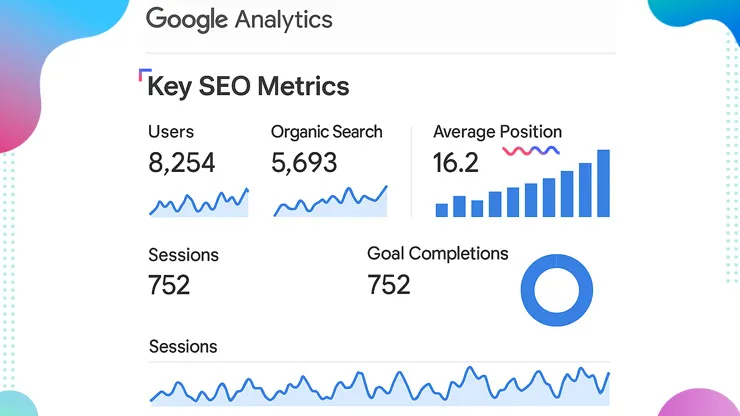
Understanding Google Algorithms is only half the battle. The other half is measuring the impact of your SEO efforts. By tracking key metrics, you can gain valuable insights into what’s working and what needs improvement. Here are some key performance indicators (KPIs) to monitor:
Organic Traffic: Track the amount of organic traffic coming to your website from search engines. This is a crucial indicator of your SEO effectiveness.
Keyword Rankings: Monitor your website’s ranking for target keywords in the SERPs. Improved rankings indicate that your SEO efforts are paying off.
Click-Through Rate (CTR): Measure the percentage of users who click on your website in the search results. A higher CTR suggests that your title tags and meta descriptions are compelling.
Bounce Rate: Track the percentage of users who leave your website after viewing only one page. A high bounce rate can indicate issues with user experience or content relevance.
Conversion Rate: Measure the percentage of users who complete a desired action on your website, such as making a purchase or filling out a form. This is a crucial metric for demonstrating the ROI of your SEO efforts.
Tools for Measuring SEO Performance
Several tools can help you track and analyze your SEO performance. Google Analytics and Google Search Console are essential platforms for gathering data and identifying areas for improvement. Other popular SEO tools include SEMrush, Ahrefs, and Moz. Utilizing these tools can provide valuable insights into your website’s performance and help you refine your SEO strategy.
Conclusion: Mastering Google Algorithms for SEO Success
Mastering Google Algorithms is an ongoing process. By staying informed, adapting to changes, and focusing on providing a positive user experience, you can achieve sustainable growth in organic traffic and improve your website’s visibility in the SERPs. Embrace the challenge, and remember that the key to long-term SEO success lies in understanding the intricate workings of Google’s algorithms. Continue to experiment, analyze, and refine your strategy, and you’ll be well-positioned to thrive in the ever-evolving world of search engine optimization.
Beyond the Basics: Advanced SEO Strategies
Once you have a solid understanding of the fundamentals of Google Algorithms and SEO, you can explore more advanced techniques to further enhance your website’s performance. These strategies can help you gain a competitive edge in the SERPs and drive even more targeted traffic to your website:
- Schema Markup: Implementing schema markup helps search engines understand the context of your content, leading to richer search results and improved visibility.
- Content Optimization for Featured Snippets: Optimizing your content to answer specific user queries can increase your chances of appearing in featured snippets, also known as position zero.
- Local SEO: For businesses with physical locations, optimizing for local search is crucial. This involves creating a Google My Business profile and building local citations.
- Technical SEO: Technical SEO focuses on optimizing the technical aspects of your website, such as site speed, mobile-friendliness, and crawlability.
- Link Building: Building high-quality backlinks from reputable websites can significantly boost your website’s authority and improve its search engine rankings.
Staying Ahead of the Curve: The Importance of Continuous Learning
The world of SEO is constantly evolving. To stay ahead of the curve, it’s essential to engage in continuous learning. Follow industry blogs, attend conferences, and participate in online communities to stay up-to-date on the latest trends and algorithm updates. By embracing a mindset of continuous improvement, you can ensure that your SEO strategy remains effective and drives sustained growth for your website. Consider the dynamic nature of search engine optimization as an opportunity for growth, and remember that staying informed is the key to long-term success.