


Overview of Google Search Spam Updates
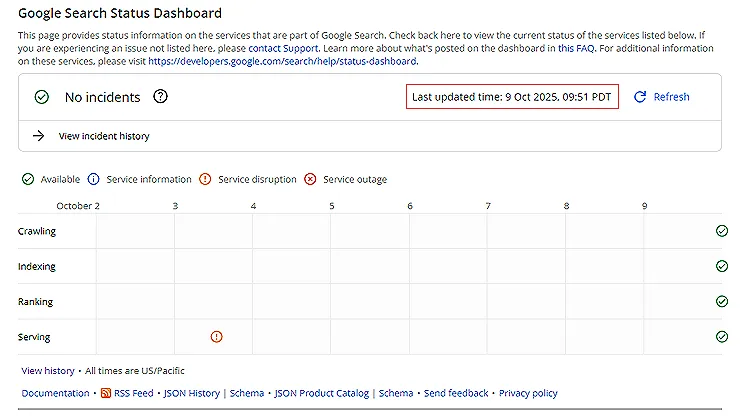
In the dynamic world of SEO, Google Search Spam Updates play a pivotal role in maintaining the integrity of search results. These updates are designed to enhance Google’s algorithms, making them more effective at identifying and eliminating spammy content. By frequently improving their systems, Google aims to deliver high-quality, relevant search results that genuinely benefit users. For instance, the introduction of AI-based spam prevention systems represents a significant leap in how Google fights back against low-quality content and deceptive practices, ensuring that genuine websites receive the recognition they deserve.
Importance of Staying Informed
Staying updated on Google’s Spam Updates is crucial for website owners and digital marketers alike. Changes in these updates could have far-reaching effects on a site’s visibility and ranking. Ensuring compliance with Google’s evolving spam policies can safeguard your site from penalties and demotion in search rankings. Here are a few key reasons to stay informed:
- Adaptation: Keeping abreast of updates allows businesses to adapt their SEO strategies rapidly.
- Competitive Edge: Understanding the latest guidelines can help you outperform competitors who may be unaware of the changes.
- Enhanced User Experience: By following best practices, you create a better experience for visitors, which in turn contributes to site credibility and retention.
In essence, staying well-informed on Google Search Spam Updates can make or break your online presence.
SEO Fundamentals
Understanding Crawling and Indexing
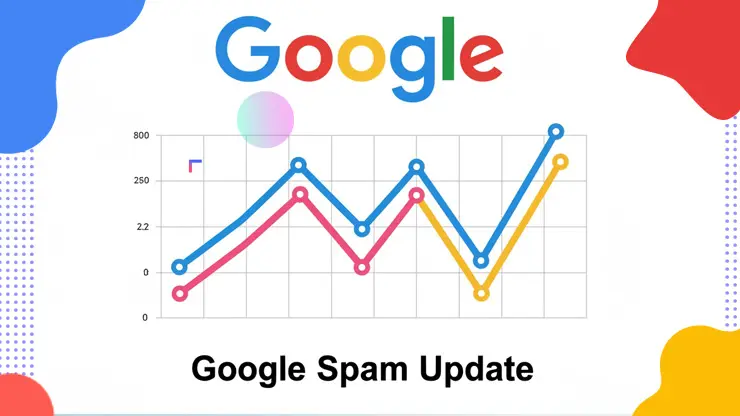
To harness the power of Google’s Search Spam Updates effectively, it’s essential to grasp the fundamental concepts of crawling and indexing. Crawling is the process whereby search engine bots, commonly known as crawlers, discover new content on the internet. This involves scanning web pages, following links, and identifying updates to existing pages. If Google finds quality content, it adds it to its extensive database, which leads to indexing. For instance, imagine you’re running a new blog. If your content is well-structured and utilizes appropriate keywords, crawlers are more likely to effectively index your pages. The more you optimize the crawling and indexing process, the better your chances of appearing in search results.
Impact of Ranking and Search Appearance
Once your site is indexed, the next critical phase is its ranking in search results. Google employs complex algorithms to determine how pages rank for specific queries, focusing on relevance and quality. Here’s how ranking can affect your site’s search appearance:
- Visibility: Higher-ranking pages appear on the first page of search results, significantly increasing visibility.
- Click-Through Rate (CTR): The higher your page ranks, the more likely users are to click on it.
- Trust Factor: Users tend to trust higher-ranked pages, associating them with quality and authority.
By understanding and optimizing crawling and indexing processes, you pave the way for improved ranking and, ultimately, better search appearance—critical elements for successfully navigating Google’s spam updates.
Site Optimization Techniques

Importance of Sitemaps
Sitemaps are an often-overlooked yet crucial aspect of site optimization. They serve as roadmaps for search engines, guiding crawlers to all of your website’s content efficiently. A well-structured sitemap ensures that important pages are indexed, making it easier for users to find them in search results. Think of it as offering a detailed guide through your site’s offerings, especially if you have a large or complex website.
- Improve Indexing: By providing a clear directory, sitemaps can enhance how quickly and accurately search engines index your pages.
- Highlight Key Content: Sitemaps allow you to prioritize content, ensuring that the most important pages receive attention.
Effective Crawler Management
Managing how crawlers interact with your site is another essential technique. This involves setting rules using tools like the robots.txt file, which can restrict crawlers from accessing certain sections of your site. This is beneficial if you want to keep certain content private or reduce server load.
- Control Access: By specifying which parts of your site should be crawled or ignored, you optimize resource use.
- Enhance Crawl Efficiency: Proper management leads to quicker indexing of the desired pages while minimizing clutter.
Utilizing Canonicalization for SEO
Canonicalization is a vital strategy for SEO that helps prevent duplicate content issues, which can confuse crawlers and dilute ranking potential. Implementing canonical tags allows you to indicate which version of a page you consider the “master” copy.
- Prevent Duplicate Content: This protects your site from being penalized for having identical content appearing on multiple URLs.
- Consolidate Link Equity: By directing all link authority to a single URL, you strengthen your chances of ranking higher.
Incorporating these site optimization techniques positions your site favorably against Google’s spam updates, enhancing both visibility and user experience.
Content and Metadata

Enhancing Page Experience with AMP
In the fast-paced digital landscape, user experience is paramount. This is where Accelerated Mobile Pages (AMP) come into play. AMP is an open-source initiative designed to optimize web pages for faster loading on mobile devices. It streamlines HTML and allows for quicker rendering of content, making your site appear more professional and engaging.
- Boost Traffic: Websites using AMP often enjoy better visibility in search results, translating to increased traffic.
- Improve Engagement: A faster-loading page enhances user engagement, ultimately leading to lower bounce rates and increased conversions.
Leveraging JavaScript for SEO
JavaScript plays a vital role in modern web development, but it can pose challenges for SEO if not implemented correctly. While JavaScript allows for dynamic content and interactive user experiences, it’s essential to ensure that search engines can crawl and index this content effectively.
- Progressive Enhancement: Build your site’s core functionality first, then enhance user experience with JavaScript for those with compliant browsers.
- Use Server-Side Rendering (SSR): SSR can ensure content is accessible by search engines even before users interact with it.
Importance of Meta Tags and Structured Data
Meta tags offer valuable insights and context to search engines about your content. Properly implemented, they can significantly improve your site’s SEO.
- Meta Descriptions: Entice users with compelling summaries that encourage clicks.
- Structured Data: Implementing structured data in JSON-LD format allows search engines to understand your content better, enabling rich snippets and enhancing visibility in search results.
By integrating these content and metadata techniques, you effectively position your website for success amidst Google’s updates, ultimately creating a more valuable user experience.
Updates and Guidelines
Understanding Ranking Systems
To navigate the ever-changing seas of SEO effectively, it’s imperative to understand Google’s ranking systems. These systems evaluate multiple factors to determine which websites are most relevant for specific queries. Factors include content quality, user experience, and backlinks. Knowing what influences your ranking helps you tailor your website for better visibility.
- Content Relevance: Ensure your content is aligned with user intent—answering their queries directly and thoroughly.
- User Signals: Pay attention to engagement metrics like click-through rates and time spent on page, as these can influence rankings.
Implementing Structured Data for Features
Structured data is a game changer for improving your search visibility. By using schemas to describe your content, you help search engines understand it better, thus improving your chances of earning rich snippets in search results.
- Types of Structured Data: Consider implementing schemas for articles, reviews, events, and products.
- Testing Tools: Use Google’s Rich Results Test to ensure your structured data is implemented correctly.
Monitoring and Debugging Techniques
Continuous monitoring and debugging are essential to maintaining your website’s SEO health. Regular audits help identify issues before they escalate.
- Search Console: Utilize Google Search Console for tracking indexing status, errors, and search performance.
- Debugging Tools: Tools like Screaming Frog can help analyze links, images, and scripts to ensure everything is functioning smoothly.
By integrating these updates and guidelines into your SEO strategy, you can bolster your site’s resilience against future Google Spam Updates while improving your overall search performance.
Spam Prevention and Compliance
Overview of Google’s Spam Update Process
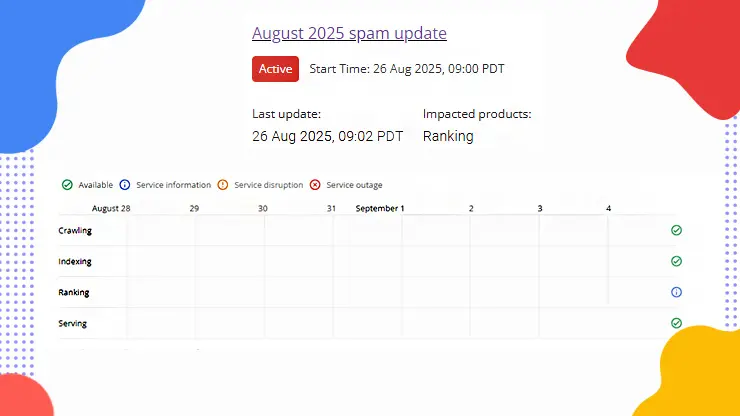
Understanding Google’s Spam Update process is essential for any website owner keen on maintaining favorable search rankings. Google continually refines its algorithms to better detect spammy behaviors through their AI-based spam-prevention system. Every time a major update is implemented, it aims to enhance the platform’s ability to spot deceptive practices that violate their policies. This proactive approach helps ensure that users encounter high-quality, trustworthy content when they visit search results.
- Frequent Updates: Google’s updates occur regularly, adapting to emerging spam techniques.
- Transparency: Google usually communicates these updates to allow website owners to make necessary adjustments.
Impact on Sites and Ranking
The ramifications of spam updates can be significant. Websites that fail to comply with Google’s guidelines may see a substantial dip in their ranking or may even be removed from search results entirely. It’s essential to understand that recovering from such a penalty can take time.
- Lower Visibility: Non-compliant sites may lose traffic and visibility in search results.
- Long Recovery Path: It can take months for affected sites to recover, depending on their compliance with updated policies.
Ensuring Policy Compliance for Better SEO
Compliance with Google’s spam policies is not just beneficial; it’s crucial for the success of your SEO strategy. Regularly reviewing and updating your website according to Google’s guidelines can significantly enhance your site’s authority and search ranking.
- Regular Audits: Conduct frequent audits to identify any potential compliance issues.
- Stay Educated: Keep yourself updated with Google’s latest guidelines and best practices to avoid pitfalls.
By actively engaging with these spam prevention measures, you can create a robust SEO strategy that not only meets Google’s standards but also fosters a trustworthy online presence.
Additional Features and Guides

Local SEO Strategies
For businesses looking to thrive in specific geographic areas, implementing effective local SEO strategies is essential. This involves optimizing your online presence to target local customers actively searching for services you offer. One simple yet powerful approach is creating a Google My Business profile.
- Accurate Information: Ensure your address, phone number, and operating hours are correct to enhance visibility in local searches.
- Encouraging Reviews: Positive customer reviews can greatly influence potential clients, marking your business as trustworthy.
Implementing Web Stories for SEO
Web Stories are a visually engaging way to present content and capture audience attention. They combine images, videos, and text to create quick, consumable experiences on mobile devices, enhancing user engagement.
- Visibility Boost: Google often features Web Stories prominently in Search results, increasing your chances of being discovered.
- Creative Freedom: Experiment with different styles and storytelling techniques to draw in users and keep them on your site longer.
International SEO and Multilingual Sites
Expanding your reach internationally requires a strategic approach to multilingual SEO. This ensures your content resonates well with diverse audiences across different countries.
- Hreflang Tags: Implement these tags to inform search engines about the language and regional targeting of your content.
- Localized Content: Tailor your content to fit cultural nuances and local preferences, helping you connect better with your audience.
By integrating these additional features and guides into your SEO strategy, you can enhance your website’s visibility, adapt to user preferences, and potentially climb the rankings when Google’s updates occur.
Conclusion
Recap of Google’s Spam Update
In navigating the complexities of online presence, understanding Google’s Spam Updates is vital for maintaining a healthy ranking in search results. These updates are part of Google’s ongoing efforts to enhance the quality of search results by identifying and eliminating spammy content. With each update, the algorithms become more sophisticated, effectively weeding out sites that do not comply with their policies.
- Key Takeaway: Regularly monitor any changes post-update to ensure compliance, as a failure to adapt could lead to ranking drops or even removal from search results.
Importance of Adhering to SEO Best Practices
Adhering to SEO best practices is more than just a strategy—it’s a necessity in today’s digital environment. By focusing on quality content, technical SEO, and ethical link-building methods, businesses can safeguard their visibility against Google’s updates.
- Long-term Benefits: Consistent adherence helps build a strong online reputation and user trust, leading to sustainable traffic growth.
- Proactive Approach: Staying updated on Google’s guidelines allows businesses to pivot quickly, optimizing their site effectively to counter any potential penalties.
In conclusion, a commitment to best practices not only enhances your chances of thriving amid Google’s evolving search landscape but also fuels long-term success in digital marketing.