
Overview of Mobile Traffic Trends
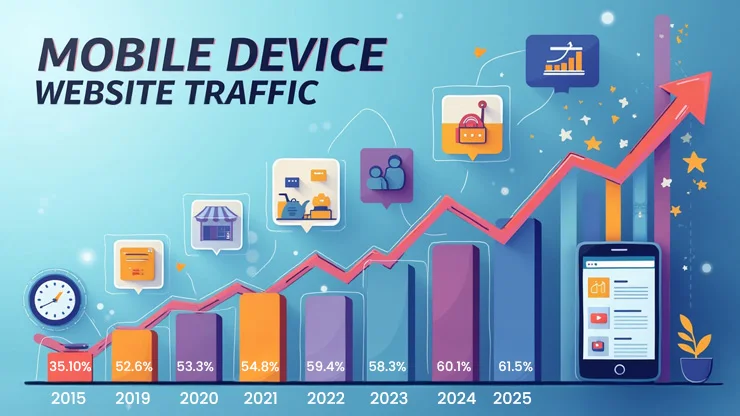
In the last decade, mobile technology has revolutionized how we gather information, shop effortlessly, and stay connected with others. In 2025, mobile device website traffic accounts for a staggering 63.8% of total web traffic, up from just 35% in 2015. This represents a significant change and emphasizes the necessity of understanding mobile traffic trends.
Key insights include:
- Smartphone Penetration: Above 90% in many regions.
- Global Users: Approximately 5.5 billion people actively use mobile devices for web browsing.
- Emerging Markets: Mobile-first economies like India and Nigeria are seeing mobile traffic exceed 70%.
Importance of Mobile Optimization in 2025
As mobile traffic surges, optimizing websites for mobile is no longer a choice but a necessity. Poor mobile experiences contribute to high bounce rates, with 53% of users abandoning sites that take longer than three seconds to load. Without a mobile-optimized site, businesses risk losing significant customer engagement and revenue. To stay competitive, brands must prioritize mobile optimization strategies, ensuring robust, user-friendly experiences that align with evolving consumer behavior. Let’s dive deeper into the compelling reasons behind the necessity of effective mobile strategies in the sections ahead.
Mobile Device Website Traffic Statistics
Current Mobile Traffic Statistics
As of April 2025, mobile devices account for an impressive 63.8% of total web traffic. This remarkable figure underscores the shift in consumer behavior towards mobile browsing for everything from shopping to news consumption. Here are some key statistics to consider:
- Global Reach: Approximately 5.5 billion people actively use mobile devices to access websites.
- Desktop Use: In comparison, desktop usage stands at just 38.4%, highlighting how mobile has become essential for daily online tasks.
Historical Growth of Mobile Traffic
The growth trajectory of mobile traffic is striking. Back in 2015, mobile accounted for only 35% of overall web traffic. Here’s a brief timeline:
- 2020: Rose to 52%
- 2023: Incrementally reached 60.9%
- 2025: Currently at 63.8% and still climbing.
This consistent increase emphasizes that mobile is not just a trend; it’s now the standard for how users engage online. With these statistics in mind, businesses that neglect mobile optimization risk being left behind!
Factors Driving Mobile Traffic Growth
Smartphone Penetration and Usage
One of the strongest drivers of mobile traffic growth is the staggering smartphone penetration rate, which now exceeds 90% in many regions. In countries like India and Indonesia, smartphones are not just devices; they are essential tools for daily life. As users engage with mobile apps and websites, the online activity is predominantly happening through these handheld devices.
- Over 5.5 billion people actively browse the web on mobile.
- Mobile-first access is the norm in many emerging markets.
High-Speed Connectivity: The Role of 5G
The advent of 5G connectivity has further amplified mobile traffic. With speeds reaching up to 10x faster than 4G, users now enjoy seamless load times and uninterrupted streaming. This advancement opens doors for richer content, such as live video and complex apps, bridging any lingering gaps in performance.
Influence of Mobile-First Platforms
Lastly, the rise of mobile-first platforms like TikTok and Instagram has captivated audiences globally. These platforms prioritize mobile engagement, encouraging users to spend more time online. With mobile optimization becoming increasingly vital for businesses, it’s clear that if you’re not adapting to this shift, you’re missing out on a goldmine of engagement opportunities.
Regional and Continental Mobile Web Traffic Trends
Mobile Usage Trends by Region
The landscape of mobile web traffic is anything but uniform across the globe. Certain regions have embraced mobile technology more readily than others, leading to some fascinating trends. For instance:
- Asia leads the world, with 72.3% of web traffic coming from smartphones.
- Africa follows closely behind at 69.8%, highlighting the leap in mobile adoption due to affordable devices.
- In South America, mobile traffic stands at 62.1%, particularly strong in social media usage.
It’s clear that countries like India and Nigeria are experiencing a mobile-first revolution, while traditional markets like North America and Europe lag behind at 57% and 55%, respectively.
Comparison of Mobile and Desktop Usage
The difference between mobile and desktop usage can be eye-opening. While mobile thrives in personal browsing contexts, desktops still dominate during work hours, accounting for about 45% of traffic in regions with a strong B2B focus. Despite desktops holding ground, mobile continues to gain momentum, reshaping how users interact online. The future is evidently mobile-focused, and businesses must adapt swiftly to these changes.
Mobile Device Website Traffic by Industry
Most Affected Industries by Mobile Traffic
As mobile usage continues to skyrocket, various industries have seen dramatic shifts in traffic patterns. In fact, many sectors are now primarily driven by mobile traffic. Here are some noteworthy statistics to consider:
- E-commerce: A whopping 71.8% of e-commerce traffic comes from mobile devices, signifying the need for mobile-friendly shopping experiences.
- Media & Publishing: Approximately 66.2% of traffic is generated from mobile users, showcasing the importance of responsive content.
- Travel & Hospitality: This sector is also heavily reliant on mobile, with many consumers planning and booking trips via their smartphones.
Sector-Specific Insights
Interestingly, while mobile traffic enjoys dominance in retail and media, sectors like B2B SaaS still see a higher percentage of desktop usage at about 34.7%. This distinction highlights the fundamental differences in user behavior—where convenience reigns supreme on mobile for consumer-oriented industries, professional or B2B contexts tend to lean towards desktop usage for more detailed tasks. Understanding these shifts is critical for optimizing web strategies across industries.
Mobile Device Traffic Share by Device Type
Distribution of Traffic Among Different Device Types
In the evolving landscape of web traffic, understanding how different devices contribute to mobile site visits is crucial. As of early 2025, the distribution of global traffic is as follows:
- Mobile Devices: 58.7% of web traffic comes from smartphones.
- Desktop: Holds 38.1% of traffic.
- Tablets: Surprisingly low at 3.2%, a significant decline likely due to the rise of larger phone screens making tablets less appealing.
This shift highlights that mobile is not just leading but dominating, marking a fundamental change in how users engage with content online.
Insights on Tablets and Other Devices
Despite the hype of tablets during their peak, they now seem like an afterthought. The convenience of smartphones has made tablets less necessary. As many users prefer the portability and functionality of their phones, we may witness further decline in tablet usage in the coming years. For businesses, this underscores the importance of optimizing for mobile devices while reevaluating the need for tablet-specific designs. It’s a reminder that in the world of mobile traffic, flexibility and adaptation are key to survival!
Mobile Traffic Breakdown: Operating Systems
Android vs. iOS Traffic Trends
As we delve into how mobile web traffic divides itself, the competition between Android and iOS becomes evident. As of 2025:
- Android garners a substantial 72% of global mobile traffic, making it the clear leader, especially in emerging markets where affordability plays a key role.
- iOS, on the other hand, accounts for 28% of traffic. While it has a smaller share, it remains incredibly influential, particularly in regions like North America and Western Europe.
This division reflects broader consumer preferences and market availability, highlighting that brand loyalty plays a significant role in user behavior.
Engagement Insights per OS
Engagement statistics tell a compelling story:
- iOS users tend to be more engaged, spending more time on their devices compared to Android users. This could be attributed to brand loyalty and the premium experience Apple provides.
- Android users value accessibility but may exhibit shorter session durations.
These insights emphasize the importance of tailoring user experiences based on the operating system, ensuring that brands can effectively capture and convert their audiences.
Leading Brands in Mobile Traffic
Market Share of Top Mobile Device Brands
In the competitive arena of mobile devices, certain brands consistently lead the charge in mobile traffic. As of 2025, we see a clear hierarchy:
- Apple: With 1.5 billion unique users, models like the iPhone 15 and iPhone SE dominate the premium market.
- Samsung: Capturing about 22% of global traffic, popular models such as the Galaxy S23 continue to impress.
- Xiaomi: Holding around 8%, devices like the Xiaomi 13 Pro thrive on affordability and features, appealing to budget-conscious consumers.
These statistics illustrate how brand loyalty and device quality significantly influence traffic.
Analysis of Popular Devices Driving Traffic
Specific devices like the iPhone and Samsung Galaxy series not only lead sales but also drive user engagement. For instance, their seamless integration with mobile apps and services keeps users hooked. Additionally, engaging in social media, video streaming, and e-commerce on these devices emphasizes the importance of optimizing for the mobile-first experience. Understanding these trends is vital for businesses aiming to capture this traffic!
SEO is not a ranking guarantee. It’s a long-term investment.
Mobile App Engagement vs. Mobile Web Browsing
In-App Traffic Trends
When it comes to where users are spending their time, in-app traffic is a growing powerhouse. In 2025, a staggering 31% of mobile web sessions occur through in-app browsers rather than traditional web browsers like Chrome or Safari. This trend showcases how platforms like Instagram and Facebook are keeping users engaged within their ecosystems.
- Mobile apps now account for a significant portion of total mobile engagement, primarily driven by entertainment, shopping, and social media activities.
- Despite the popularity of apps, mobile web still manages to facilitate about 35% of eCommerce conversions, which emphasizes the complementary nature of both channels.
Strategies for Mobile Web and App Optimization
To effectively capitalize on these trends, businesses must optimize both their mobile websites and apps. Key strategies include:
- Responsive Design: Ensuring seamless navigation across devices.
- Faster Load Times: Utilizing AMP (Accelerated Mobile Pages) to enhance performance.
- User-Centric Features: Tailoring content based on user behavior in both apps and web platforms.
Emphasizing these strategies ensures a balanced approach that meets user expectations, ultimately driving higher engagement rates across both channels.
Content Consumption Trends: Video Dominance
Insights on Video Content Consumption
Video content is leading the charge in mobile consumption trends, and it’s easy to see why. As of 2025:
- 61% of mobile video views are short-form content lasting under three minutes.
- The average user spends over 50 minutes daily watching videos on their mobile devices. It’s no wonder platforms like TikTok and YouTube have taken the world by storm, capturing our attention with engaging and visually stimulating content.
These statistics reflect a significant shift in how we engage with information, moving rapidly from text and images to video formats.
Impact of Short-Form Video Formats
Short-form video is particularly impactful due to its ability to deliver concise, entertaining, and informative snippets in a brief format. These quick bursts of content cater to our increasingly busy lifestyles and dwindling attention spans. Brands that leverage short-form video effectively can enhance engagement and brand loyalty, making it a critical component of any modern marketing strategy. This trend signals a clear directive for businesses: adapt to video or risk losing touch with your audience!
Mobile Advertising and Traffic Acquisition Trends
Growth in Mobile Ad Spending
As we dive into the world of mobile advertising, one trend is clear: mobile ad spending is skyrocketing! By 2025, it is projected to surpass $500 billion, accounting for over 70% of total digital ad expenditures. This surge reflects a fundamental shift in how brands reach consumers, focusing on where audiences spend the majority of their time—on their mobile devices.
- Mobile ads are no longer just traditional banners; they include innovative formats like in-feed videos and story-based ads that captivate users.
- Social platforms like Instagram and TikTok are at the forefront, driving engagement through compelling mobile-first content.
Performance of Mobile Ads vs. Desktop Ads
When it comes to performance, mobile ads are outperforming desktop ads significantly. Click-through rates (CTR) for mobile continue to soar, particularly on social media platforms. Mobile ads offer dynamic targeting capabilities that ensure brands hit the mark with their audiences. In today’s digital landscape, forgetting mobile optimization means missing out on immense potential engagement and conversions. Adapting to this trend is not just beneficial; it is essential for any brand looking to thrive in the competitive market of 2025!
Mobile Device Website Optimization Strategies
Key Best Practices for Mobile Optimization
As mobile traffic continues to dominate, focusing on effective mobile optimization is essential for any business. Here are some key best practices to ensure a smooth mobile experience:
- Responsive Design: Your website should automatically adjust to different screen sizes, eliminating the need for pinching or zooming.
- Fast Load Times: Aim for mobile pages to load in under three seconds—every second counts!
- Simple Navigation: Menus should be easy to navigate, with buttons large enough for thumb navigation.
These strategies not only improve user experience but also enhance SEO performance, driving more traffic to your site.
Importance of User Experience in Mobile Design
User experience (UX) is paramount in mobile design. With impatient mobile users—54% abandon websites that take too long to load—prioritizing UX ensures you keep potential customers engaged. A seamless, intuitive interface encourages users to explore, return, and convert. Remember, a great mobile experience is your brand’s frontline; if it falters, so could your bottom line!
XIII. Future Outlook: Mobile Traffic in the Next 5 Years
Predictions for Mobile Traffic Growth
Looking ahead, mobile traffic is poised for explosive growth. By 2030, it is projected that mobile devices will contribute to over 75% of global web traffic. Factors driving this increase include:
- Increased smartphone penetration: More affordable smartphones are entering the market every year.
- Rising internet accessibility: Improved network infrastructure is helping underserved regions connect.
This means businesses must consider mobile-optimized strategies as a top priority to capture the wave of new users.
The Impact of Emerging Technologies
Emerging technologies, particularly 5G, will significantly transform mobile usage patterns. With speeds up to 10 times faster than 4G, users can expect seamless video streaming, augmented reality apps, and real-time interaction. Additionally, the rise of AI-powered personalization is set to enhance user experiences, making mobile interactions even more engaging. As these technologies evolve, expect mobile traffic to surpass expectations and redefine how consumers interact with content. Businesses ready to embrace these changes will be the ones to thrive!
XIV. Conclusion
Recap of Key Insights
As we’ve explored the trajectory of mobile device website traffic in 2025, a few key insights emerge:
- Mobile Dominance: Nearly 63.8% of web traffic now originates from mobile devices, showcasing a clear shift from desktop to mobile-first.
- Global Variations: Different regions exhibit distinct patterns of mobile usage, with Asia leading at 72.3%.
- Industry Impacts: E-commerce and media industries are particularly affected, with mobile traffic accounting for over 71.8% in e-commerce.
Strategic Recommendations for Businesses in 2025
To capitalize on these trends, businesses should:
- Prioritize Mobile Optimization: Ensure websites are mobile-friendly and fast to load.
- Leverage Video Content: Incorporate engaging video into marketing strategies, as it drives significant user engagement.
- Adopt Mobile-First Strategies: Embrace mobile advertising and personalized content to enhance user experience and conversions.
These steps are critical to thriving in the increasingly mobile-centric digital landscape!