


Introduction to On-Page SEO Audits
Definition of On-Page SEO
On-page SEO refers to the practice of optimizing individual web pages to rank higher in search engines and earn relevant traffic. This optimization focuses on both the content and HTML source code of a page, in contrast to off-page SEO, which relates to external factors like backlinks.
Key aspects of on-page SEO include:
- Quality Content: Informative, unique, and engaging content that meets the needs of the target audience.
- Keyword Optimization: Strategically incorporating keywords to improve visibility in search results.
- HTML Elements: Properly formatted titles, headers, and meta descriptions to improve both SEO and user experience.
- Image Optimization: Using proper alt text and file names to enhance the discoverability of images.
By refining these elements, businesses can significantly improve their visibility online and attract more relevant traffic.
Importance of Regular Audits
Conducting regular on-page SEO audits is critical for ensuring that your website remains competitive in search engine rankings. Think of it as a health check for your website; just as you would visit a doctor for a routine check-up, your site needs evaluations to thrive.
Here are a few reasons why these audits matter:
- Identify Weaknesses: Regular audits help pinpoint issues such as poor content quality, keyword cannibalization, or unoptimized metadata.
- Adapt to Changes: Search engines frequently update their algorithms. A regular audit allows you to adapt quickly to these changes, preserving your site’s performance.
- Enhance User Experience: Audits highlight user experience issues, allowing you to improve navigation and accessibility, which can increase engagement and reduce bounce rates.
- Tracking Progress: By performing audits consistently, you can measure performance over time, making it easier to track improvements and areas still in need of attention.
Incorporating these regular audits into your SEO strategy will foster continual improvement, leading to better search visibility and higher conversion rates over time.
When to Perform an SEO Audit
Initial Stages of SEO Strategy
Embarking on an SEO journey? Conducting an SEO audit in the initial stages is crucial. This assessment acts as your roadmap, providing a tangible benchmark against which to measure your future efforts. It identifies the strengths and weaknesses of your site and helps prioritize tasks. Think of this as setting the foundation for a house; without it, everything built later may be shaky.
Evaluating Resources for SEO Improvements
As you consider improvements to your website’s SEO, it’s time for another audit. This evaluation will help you ascertain whether you need to invest in technical fixes or if you require content creation assistance. Questions to ask include:
- Are there technical issues predominantly holding back performance?
- Is your content missing key elements or topics that require more attention?
This audit ensures that resource allocation aligns with your SEO priorities, making it a strategic decision-making point.
Site Redesign and Migration Considerations
Redesigning a site or migrating content to a new platform can introduce unforeseen issues. It’s best to perform an SEO audit before and after these significant changes. After all, you wouldn’t want to lose the traffic you’ve worked hard to acquire due to misconfigured redirects or other migration errors. This proactive step helps you catch potential pitfalls that can easily derail your efforts.
Following Google Core Updates
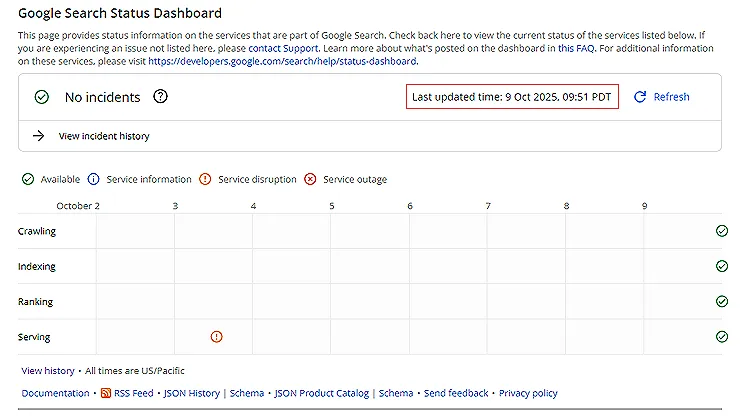
Google’s updates can significantly impact rankings, making it prudent to conduct an SEO audit shortly after one is rolled out. By checking your standing, you can understand the effects of the algorithm on your site and react accordingly.
Reacting to Sudden Ranking Losses
If you notice a startling drop in your website’s rankings, react quickly. A comprehensive SEO audit can help you diagnose the underlying causes—whether it’s due to technical errors, a core algorithm update, or manual penalties. Identifying these issues promptly can mean the difference between recovery and continued decline.
These strategic moments for SEO audits pave the way for informed decisions, ensuring that your site remains optimized in an ever-evolving digital landscape.
Getting Started with Your SEO Audit
Utilizing Free SEO Score Analysis
Let’s get you ready to take the plunge into your SEO audit. The first step often starts with a free SEO score analysis. This convenient tool evaluates your website across key performance indicators, giving you an instant snapshot of your SEO standing.
Think of it as that first coffee of the day—it gives you the energy to start strong! Tools that provide a comprehensive analysis typically assess areas such as:
- Technical SEO: Is your site structured well for search engine crawlers?
- Content Quality: Does your content meet user intent and provide value?
- User Experience: How accessible is your site to visitors?
- Mobile Friendliness: Is your site optimized for mobile users?
Using this initial score can help you prioritize your efforts. As you dive into your audit, remember that this analysis serves as a baseline to track improvements over time.
Establishing Audit Goals
With the results of your free SEO score analysis in hand, it’s time to set some clear goals for your audit. Establishing goals is essential for guiding your actions and ensuring that your time is well-spent during the audit process.
Consider defining your goals by asking yourself:
- What specific issues did the score analysis point out?
- Which areas need the most urgent attention?
- Are there particular keywords or content gaps you want to target?
Having well-defined goals will not only keep you focused but also provide you with a framework for measuring success after implementing changes.
For instance, if the analysis shows that your website speed scores are low, set a goal to improve your page load time by a certain percentage within a specified period. This approach fosters both accountability and motivation across your SEO efforts, driving you to consistently optimize your site.
By utilizing your free SEO score analysis and establishing clear goals, you’re ready to embark on a productive auditing journey. This preparation sets the stage for enhancing your site’s performance and ensuring ongoing visibility in search engines.
Steps to Conduct a Comprehensive SEO Audit
Content Inventory
The first step in your SEO audit journey is to perform a content inventory. Gather a comprehensive overview of all your website content, including:
- Blog posts
- Landing pages
- Images and videos
- Downloadable files (like PDFs)
- Customer-facing URLs
By taking stock, you can identify gaps and prioritize areas needing fresh content or updates. Imagine you’re a librarian; organizing your collections makes it much easier to see what you have and what’s missing.
Types of Content to Review
Not all content is created the same, and different types serve different purposes. Review essential categories such as:
- Informational content: Articles and blogs that answer common questions.
- Commercial content: Product descriptions aimed at converting visitors into customers.
- Support content: FAQs and guides that help users navigate your services.
Content Quality Review
Next, assess the quality of your content. Is everything relevant, engaging, and adding value? Important questions to ask include:
- Is each piece unique?
- How readable is the content?
- Are there any typos or formatting issues?
Quality matters, and low-quality content can adversely affect your SEO performance.
Assessing Uniqueness and Readability
As you sift through your content, make sure it stands out. Duplicate content can hinder your search rankings. Tools can help highlight similarities, ensuring that each piece is original and valuable to your audience.
Identifying Outdated Content
Keeping content fresh is crucial. Identifying and updating outdated information shows that you care about providing accurate information. Regular check-ups can help prevent readers from stumbling upon irrelevant data.
User Experience and Web Accessibility
Audit your site’s user experience by evaluating the navigational elements and design. Ensure your website is accessible to everyone, including users with disabilities. A well-structured site keeps users engaged and encourages longer visits.
Core Web Vitals and User Navigation
Focusing on Google’s Core Web Vitals is vital as they significantly affect SEO rankings. Ensure your site loads quickly and that visitors can navigate effortlessly.
Incorporating these steps into your comprehensive SEO audit ensures that you address every critical aspect. By doing so, you’ll equip your website to perform better in search rankings, enhance user experience, and ultimately drive higher engagement and conversions.
SEO is not a ranking guarantee. It’s a long-term investment.
Utilizing Google Search Console and Analytics
Insights from Google Tools
One of the best ways to gain valuable insights into your website’s performance is by harnessing the power of Google Search Console and Google Analytics. These tools provide a treasure trove of data about how users interact with your site and how search engines perceive it. Here’s what you can discover:
- Search Performance: Track which keywords are driving traffic to your site and how they rank in search results.
- Click-Through Rates: Analyze which pages get the most clicks and how effectively they entice users.
- User Behavior: Understand how long visitors stay on your site and which pages they engage with the most.
By regularly consulting these tools, you can refine your strategy and see which areas need improvement.
Web Security
Web security is an essential factor to consider during your SEO audit. Google takes website security seriously, and so should you. Ensuring your website is secure not only protects your data but also enhances your reputation with users and search engines alike.
Importance of SSL and Safe Browsing
Using SSL (Secure Sockets Layer) is crucial for establishing a secure connection between your site and its visitors. A site with SSL encryption appears more trustworthy and helps safeguard sensitive information. Moreover, Google has confirmed that HTTPS is a ranking signal, meaning it can positively affect your SEO performance.
Backlink Profile Analysis
Your website’s backlink profile plays a significant role in its SEO success. Backlinks are essentially votes of confidence from other sites, and analyzing them can provide insights into your site’s perceived authority.
- Identifying Good vs. Bad Backlinks:
- Good Backlinks: Links from credible and high-authority domains (think .edu, .gov or well-known industry sites).
- Bad Backlinks: Links from low-quality sources, like spammy sites, can harm your SEO efforts.
Regularly reviewing your backlink profile ensures you maintain a healthy link ecosystem, allowing you to leverage strong connections while disavowing harmful ones.
By integrating insights from Google tools, focusing on web security, and conducting a thorough backlink profile analysis, you’ll optimize your site effectively, leading to enhanced visibility and user trust in the competitive online landscape.
Additional Considerations for Effective Audits
Keyword Management
When it comes to SEO audits, keyword management should not be overlooked. Conducting thorough keyword research allows you to identify not just the keywords you want to rank for, but also the intent behind those keywords. Understanding your audience’s search behavior can enhance the relevance of your content. Here are a few tips for effective keyword management:
- Identify Long-Tail Keywords: These are less competitive and often bring more targeted traffic.
- Use Variation: Don’t just focus on a single keyword; embrace variations and synonyms to capture a broader audience.
- Track Keyword Performance: Regularly check which keywords are driving traffic and adjust your strategy based on performance.
Resolving Content Duplication Issues
Content duplication is a common pitfall that can harm your SEO ranking. Search engines penalize sites that feature duplicate material, whether the content is on your site or elsewhere. To resolve these issues, consider:
- Using Canonical Tags: If you have similar content across different URLs, use canonical tags to indicate the primary version you want indexed.
- Content Audits: Regularly check for duplicate content within your site and combine or update as needed.
- Content Creation: Focus on generating unique, high-quality content that serves different user intents.
Website Accessibility Factors
Accessibility is more than a buzzword; it’s essential for ensuring all users, including those with disabilities, can navigate your site. Consider these factors:
- Alt Text for Images: Use descriptive alt text to help visually impaired users understand your images.
- Semantic HTML: Utilizing proper heading structures and ARIA landmarks enhances navigation for assistive technologies.
Advantages of Automated SEO Audits
Manual audits can be resource-intensive, which is where automation comes in handy. Automated SEO auditing tools can streamline your processes, offering several advantages:
- Time Efficiency: Automated tools quickly generate reports, saving time for more strategic tasks.
- Consistency: Regular, automated audits ensure you stay on top of ongoing SEO health without missing crucial updates.
- Actionable Insights: Many automated tools provide prioritized lists of issues and actionable steps for improvement.
Incorporating these additional considerations into your audits leads not only to optimized content but also enhances user experience and search visibility. By addressing keyword management, content duplication, accessibility, and leveraging automation, you can create a robust SEO strategy that drives real results.
Conclusion
Recap of Key Audit Steps
As we wrap up our discussion on conducting a comprehensive SEO audit, it’s important to revisit the key steps that can help elevate your website’s performance. Here’s a quick summary:
- Content Inventory: Compile a thorough list of all content and resources on your site, identifying gaps and opportunities for fresh material.
- Content Quality Review: Assess the uniqueness, readability, and engagement factor of your existing content. Aim to eliminate any errors that might inhibit user trust and experience.
- User Experience and Accessibility: Ensure that your website is easy to navigate for all users, including those with disabilities. This includes checking menus, navigation elements, and overall site architecture.
- Technical SEO Review: Investigate site structure, error codes, and indexing issues. Proper structured data implementation is crucial for search visibility.
- Performance Checks: Analyze site speed and mobile friendliness, as these elements are critical for retaining visitors and ranking well in search results.
- Backlink Analysis: Evaluate your backlink profile to differentiate between beneficial links and those that could potentially harm your SEO efforts.
With these steps, you’ll be well-equipped to identify the strengths and weaknesses of your site, paving the way for improvements.
Importance of Continuous Monitoring and Improvement
The digital landscape is ever-evolving, and so is your SEO strategy. That’s why continuous monitoring and improvement are essential. Regular audits empower you to stay ahead of updates in search engine algorithms and shifting user preferences. Here’s why it matters:
- Proactive Problem Solving: Ongoing checks allow you to address issues before they escalate.
- Data-Driven Decisions: Consistent monitoring offers the insights needed to refine your strategy effectively.
- Stay Competitive: The online marketplace is continually changing with new competitors entering the scene. Regular audits keep you agile and responsive to changes.
By committing to a routine of continuous monitoring and improvement, you not only enhance your SEO efforts but also ensure your site remains relevant and user-friendly. Embrace the process, and watch your digital presence flourish!