

What is Local SEO?
Local SEO, or Local Search Engine Optimization, is a specialized approach tailored to help businesses appear prominently in search results that have a local intent. When potential customers search for services or products close to their location—like “best local directory near me” or “Plumber Near Me Tallahassee, Florida”—local SEO ensures that these businesses are easily discoverable. This involves fine-tuning various elements, such as optimizing a Google Business Profile, using location-specific keywords, and ensuring consistent business citations across different online platforms.
The crux of local SEO is to connect businesses with local customers actively searching for what they offer, thus helping drive targeted traffic that can significantly bolster physical store visits and local engagement.
Importance of Local SEO for Businesses
The growing reliance on online searches means local SEO has become crucial for any business that operates in a specific geographic area. Consider a local bakery: they can’t rely solely on traditional marketing since many potential customers are now searching for “bakeries near me” on their mobile devices. Effective local SEO can directly influence their visibility, leading to increased foot traffic and sales.
Here are some distinct benefits of implementing local SEO for businesses:
- Increased Visibility: Being present in local search results elevates brand awareness, making it easier for customers to find you.
- Targeted Traffic: Local SEO attracts users who are ready to make a purchase, enhancing conversion opportunities.
- Building Trust: High-ranking local results foster trust and credibility. Studies show that 92% of searchers choose businesses from the first page of local search results.
- Cost-effective Marketing: Compared to traditional advertising methods, local SEO provides a more efficient and budget-friendly approach to reaching potential customers.
In essence, integrating local SEO strategies allows businesses to thrive by improving their online presence and ensuring they remain competitive in their local market. Adopting these practices is not merely an option; it’s a business imperative in today’s digital age.
Local SEO Basics
Understanding the Difference Between Local and Standard SEO
When diving into the realm of SEO, it’s crucial to grasp the distinction between standard SEO and local SEO. While both aim to improve a website’s visibility, they target different audiences and employ unique strategies.
- Standard SEO seeks to rank websites based on a global audience’s search intents. For instance, a blog about “massaman curry” could cater to food enthusiasts worldwide.
- Local SEO, on the other hand, focuses on helping businesses appear in searches where users are looking for services near their specific location. For example, a search for “massaman curry near me” returns results for local Thai restaurants instead of recipe links.
This differentiation highlights the importance of understanding the local context to capture relevant leads.
Key Local SEO Components
To build a robust local SEO strategy, several key components must be addressed:
- Google Business Profile (GBP): This is the cornerstone of local SEO. By optimizing your GBP, you ensure that potential customers find accurate information about your business, including your location, hours, and services.
- NAP Consistency: Maintaining consistency in your Name, Address, and Phone Number (NAP) across all listings is crucial. Any discrepancies can confuse search engines and potential customers.
- Local Keywords: Incorporating location-specific keywords not only in your content but also in meta tags helps in attracting locals searching for services you offer.
- Customer Reviews: Positive reviews on platforms like Google and Find Me Directory play a significant role in driving local traffic and building trust.
Why Local SEO is Effective
The effectiveness of local SEO can be largely attributed to the growing trend of consumers using their mobile devices to perform local searches.
- Approximately 72% of consumers visit a store within five miles after conducting a local search.
- Moreover, 92% of searchers choose businesses that appear on the first page of local search results.
This means that by implementing effective local SEO strategies, businesses not only enhance visibility but can significantly increase foot traffic and, subsequently, sales.
In essence, local SEO is a powerful way to connect businesses with their immediate community, making it a vital effort for any business looking to grow locally.
Local Listing Types
Overview of the Google Map Pack
When it comes to local searches, the Google Map Pack is the star of the show. But what exactly is it? The Map Pack (often referred to as the “local pack”) is a highlighted section in Google’s search results that showcases three local business listings based on a user’s search query. Accompanied by a map displaying their locations, this feature allows searchers to receive outcome insights right at their fingertips.
Have you ever searched for “best sushi in town” and noticed the top of the page instantly filled with local eateries? That’s the Google Map Pack doing its magic. This visually appealing section features vital information such as:
- Business name
- Address
- Phone number
- Customer ratings
- A direct link to the Google Business Profile (GBP)
Importance of Ranking in the Map Pack
Ranking in the Google Map Pack can significantly influence a business’s visibility and, ultimately, its success. Studies show that about 92% of searchers only look at businesses listed on the first page of local search results. So, being present in the Map Pack is not just beneficial; it’s essential.
The importance of this ranking can be summarized in a few key points:
- Increased Visibility: Businesses featured in the Map Pack are more likely to be seen by potential customers looking for local services.
- Enhanced Credibility: Being listed among the top results fosters trust and validation from prospective clients.
- Higher Traffic and Conversions: Due to its prime position, businesses in the Map Pack often experience higher foot traffic and online inquiries, leading to increased sales.
Tracking Map Pack Rankings
To leverage the benefits of the Google Map Pack, it’s crucial to monitor your rankings regularly. Understanding your position can help you identify areas needing improvement. Here are some effective strategies for tracking your rankings:
- Use Local SEO Tools: Platforms like Google My Business and various local SEO software can provide insights into how your business ranks in local searches.
- Search from Different Locations: Since Google’s results can vary based on the searcher’s location, checking your rankings from multiple locations can present a clearer picture.
- Benchmark and Analyze Changes: Create a baseline by recording your rankings over time to identify trends in your visibility and effectiveness.
In conclusion, the Google Map Pack plays a vital role in local SEO success, and both monitoring and improving your rank within it should be a top priority for any local business.
Local SEO Keyword Research
Identifying Keywords for Local SEO
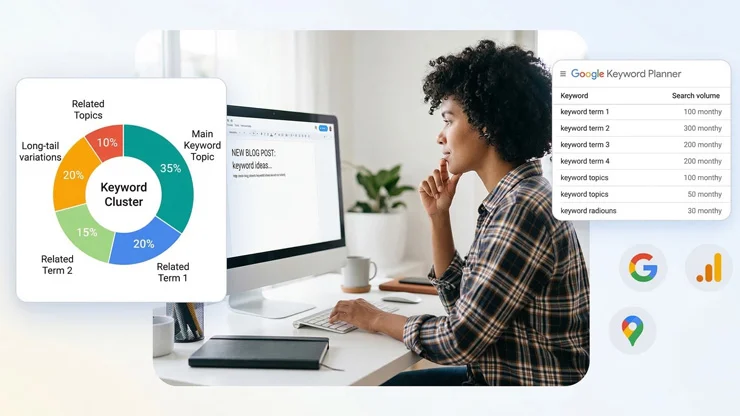
Understanding which keywords to target is fundamental in maximizing the effectiveness of your local SEO strategy. Unlike standard SEO, which focuses broadly, local SEO zeroes in on terms that residents in specific geographical areas search for. This might include phrases like “best pizza near me” or “affordable plumbers in [your city].”
To identify these keywords, think about the real needs of your target audience. Consider questions such as:
- What specific services do they need?
- What language do they use while searching?
- Which phrases indicate local intent?
Utilizing online tools can help you gather relevant keywords. For example, make a list of local phrases you think your customers might use (like “hair salon near me” or “organic grocery stores in [city]”) and then verify their search volume using the tools discussed next.
Tools for Keyword Research
Several online tools can significantly enhance your keyword research process.
Google Suggest: Simply type a relevant word into Google, and watch the dropdown menu appear with various suggestions. This provides insight into popular local search queries related to your term. For example, if you start typing “landscaping in,” Google might suggest “landscaping in Boston” or “landscaping in Springfield.”
By leveraging these tools, you’ll be more equipped to identify high-potential keywords that can drive local traffic.
Importance of Voice Search in Local SEO
As technology evolves, voice search has skyrocketed in popularity, influencing local SEO strategies. Research shows that 71% of consumers prefer using voice queries to type them. This shift means that the keywords people use have also changed, becoming more conversational and longer.
For example, rather than searching for “pizza Boston,” a voice search might look like, “Where can I find great pizza in Boston that’s open now?”
To capitalize on this trend:
- Focus on long-tail keywords that reflect natural speech.
- Tailor your content to answer questions consumers are likely to ask.
By understanding and optimizing for voice search behaviors, local businesses can improve their visibility and engagement in an increasingly voice-activated digital world.
Local SEO Ranking Factors
Key Factors for Ranking in Local Search
Understanding the key factors that influence local search ranking is essential for any business aiming to elevate its visibility online. Local SEO operates differently from general SEO; here are the primary signals that Google considers when determining rankings for local businesses:
- Relevance: How well your business aligns with the search intent of users. This includes keywords used and the specificity of your content.
- Distance: The physical proximity of the searcher to your business. Google considers how far away you are from the person searching, making local presence vital.
- Prominence: This refers to the overall reputation of your business. Businesses with higher visibility—often through backlinks, mentions, and online reviews—tend to rank better.
By focusing on these factors, businesses can strategize effectively to improve their local search rankings.
The Role of Google Business Profile (GBP)
Your Google Business Profile (GBP) is a critical component in local SEO. It’s the first impression many users will have of your business, so ensuring it is fully optimized is key.
Consider the following elements to include in your GBP:
- Accurate Business Information: Ensure your name, address, and phone number (NAP) are correct.
- Business Categories: Select both primary and secondary categories that accurately describe your offerings.
- High-Quality Images: Including images can increase engagement, as visual content often attracts more attention.
An optimized GBP not only facilitates better ranking but also enhances user experience, leading to higher conversion rates.
Importance of NAP Citations and Online Reviews
Consistency in Name, Address, and Phone number (NAP) citations across different platforms is essential for local SEO success. Google uses these citations to confirm your business information.
Here are some reasons why NAP citations and online reviews matter:
- Citations: The more often Google sees your consistent NAP across multiple listing sites, the more credible your business appears. This can directly affect your rankings in both organic and map pack results.
- Online Reviews: Positive online reviews are imperative. They not only enhance your reputation but also serve as a ranking factor. Businesses with numerous and favorable reviews often find themselves ranked higher, as they tend to build trust with both customers and search engines.
Incorporating these elements into your local SEO strategy can lead to significant improvements in your search visibility and customer engagement. Remember, local SEO is about building a strong community presence—both online and offline.
Google Business Profile Optimization
Ensuring Consistency in Profile Data
Optimizing your Google Business Profile (GBP) isn’t just about filling out information; it’s crucial to ensure consistency in your profile data. Inconsistencies can confuse both search engines and potential customers. For anyone searching for your business, a mismatched address or phone number can lead to confusion.
- Check and Match NAP: Verify that your Name, Address, and Phone number (NAP) are identical across all platforms—your website, social media, and online directories.
- Business Name: Use the exact name of your business as it appears in the real world; avoid using keywords in your business name as this can be flagged by Google.
By prioritizing consistent data across every listing, you signal to Google that your business is credible, which can help improve your ranking in local search results.
Filling Out Your Profile Completeness
Completeness is key in optimizing your GBP. Google provides a checklist to ensure your profile is fully populated. Ensure you include:
- Business Categories: Select a primary category that reflects your main business focus and add relevant secondary categories.
- Services & Products: Describe the services you offer or products you sell. These descriptions influence your visibility for relevant searches.
- High-Quality Photos: Include engaging photos of your business, products, and team members to create a personal touch. Visuals deserve as much attention as text content.
Completing all sections of your GBP not only improves visibility but also enhances user experience and can boost conversion rates.
The Importance of Keeping Data Updated
Keeping your GBP data current cannot be overstated. If there are changes in your hours, services, or contact information, make sure to update your profile immediately. Consider these elements:
- Seasonal Hours: If you adjust your hours during holidays or special events, reflect this in your GBP.
- New Services or Products: As your business evolves, updating your profile ensures customers know what you offer.
Maintaining up-to-date information fosters trust with your customers and improves your chances of appearing in local search results. Remember, an updated profile directly correlates with customer satisfaction and engagement, so make it a habit to regularly check and revise your profile data. Having an effective GBP can significantly support your overall local SEO efforts!
The best way to get on Google’s good side is to focus on what your visitors want.
On-Site SEO for Local Businesses
Writing Unique Content for Different Locations
Creating unique, location-specific content is essential for local businesses, especially if you serve multiple areas. Generic content won’t resonate with local customers, and it can hurt your SEO efforts. Each page should reflect the distinct needs and interests of the audience in that area.
For example, consider a landscaping business catering to both Boston and Cambridge. Rather than having a single “landscaping services” page, you would create tailored pages:
- Boston Landscaping Services: Highlight local flora, popular projects, or specific challenges Boston residents face due to its climate.
- Cambridge Landscaping Services: Discuss features that resonate with Cambridge residents, such as eco-friendly practices or local regulations.
Make sure each page is optimized with local keywords, engaging visuals, and relevant information to engage users searching for services nearby.
Utilizing Schema Markup
Schema markup is a powerful tool that can enhance your local SEO efforts. By adding structured data to your website, you help search engines understand your content better. This is particularly helpful for local businesses aiming to gain visibility.
Here’s how you can utilize schema markup effectively:
- LocalBusiness Markup: Use schema to define your business details, such as your name, address, and operating hours.
- Review Markup: Including review schema on your pages can display star ratings in search results, making your business stand out.
For instance, if you own a bakery, using schema markup can clarify that you are an establishment focused on baked goods, which can boost your relevance in local searches.
Title Tag Optimization Techniques
Title tags are your first impression in search results—they dictate whether someone clicks on your link or not. Optimizing them is crucial.
Here are a few techniques to ensure your title tags are effective:
- Incorporate Primary Keywords: Start with your most important keyword, such as “Bakery in Boston,” followed by unique selling points or services.
- Keep It Under 60 Characters: This ensures that your entire title is visible in search results.
- Add Location: Including the city or neighborhood can help with local search visibility.
For example, a well-optimized title tag might read: “Best Artisan Bakery in Boston – Freshly Baked Goods Daily.”
By focusing on these on-site SEO strategies, local businesses can significantly enhance their online presence, connect better with their audience, and ultimately drive more traffic to their stores.
NAP Citations
Conducting a NAP Audit
Understanding the importance of Name, Address, and Phone number (NAP) citations is paramount for any local business looking to enhance its online presence. The first step in ensuring that your NAP is consistent across all platforms is to conduct a thorough NAP audit.
Here’s how you can do it:
- Gather Your Current NAP Information: Start by recording your official business name, address, and phone number as they should appear.
- Use NAP Auditing Tools: There are various tools available online, like Semrush or Moz, which can help you identify where your business is listed and spot any inconsistencies across different platforms.
- Compile a Report: After scanning various directories and listings, compile a report that highlights where your NAP data matches and where inconsistencies exist. This will provide a clear road map to fixing errors.
This audit is an essential step in maintaining the integrity of your business information online, which significantly affects your local SEO rankings.
Fixing Incorrect NAPs
Once you’ve identified incorrect NAP citations, addressing these discrepancies is crucial. Here’s what you should do:
- Direct Fixes: For listings you can edit directly (like your website or social media accounts), make the changes immediately. Ensure that any changes are consistent across all platforms.
- Contact Directory Owners: For listings on third-party sites where you lack control, such as local business directories, reach out to them directly. Sending a succinct email describing the correction can be effective.
- Leverage Services: If you find this process too tedious, various third-party services can assist with cleaning up and correcting your NAP across multiple platforms.
By making sure your business information is accurate and consistent, you increase your credibility and enhance your chances of ranking higher in search results.
Finding NAP Citation Opportunities
To further improve your local SEO, actively seek out NAP citation opportunities on reputable websites. Here’s how to unearth these valuable links:
- Check Competitors: Use an SEO tool to analyze the citations of your local competitors. Identify which directories they are listed on, then pursue similar listings for your business.
- Local Directories: Look for local business directories, industry-specific listings, and even city or community blogs where you can submit your business information.
- Engage with Local Organizations: Partner with local chambers of commerce or networking groups. Often, membership includes a listing in their directories.
By building your NAP citations across various credible platforms, you’ll not only boost your local SEO but also create an essential foundation for building customer trust and driving more foot traffic to your business. Consistency and visibility are key!
Local Link Building Strategies
Building Relationships with Local Businesses
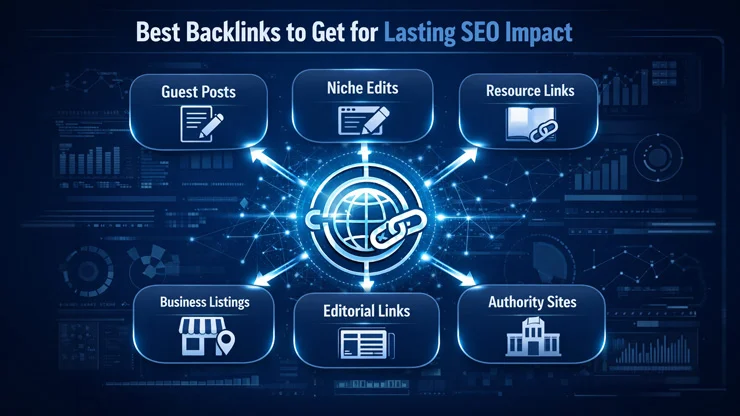
Building strong relationships with local businesses is one of the most effective strategies for enhancing your local link building. By collaborating with other businesses, you not only create valuable partnerships but also expand your reach and credibility in the community.
- Network with Local Vendors: Connect with suppliers or neighboring businesses. You might propose mutual link exchanges by featuring each other on your websites or social media.
- Collaborate on Projects: Consider joint promotions or events that can help leverage both brands, like co-hosting a community workshop or a seasonal sale.
For example, if you own a flower shop, partner with a local bakery to create an event for Mother’s Day, offering flower arrangements along with special pastries. This collaboration can enhance both businesses’ visibility and backlink profiles.
Utilizing Local Chamber of Commerce
Your local Chamber of Commerce can be a goldmine for link-building opportunities. Becoming a member often comes with various benefits that can positively impact your local SEO.
- Directory Listings: Most chambers offer free directory listings, enhancing your NAP citations while providing authoritative backlinks to your site.
- Business Events: Participating in chamber events allows you to get your name out there and network with potential clients and partners—all while gaining valuable links from their website to yours.
To get involved, check your Chamber’s website for resources on joining and upcoming events.
Sponsoring Local Events and Using Local PR
Sponsoring local events combines community involvement with PR and link building. When your business supports local events—like festivals, sports teams, or charity activities—you not only enhance community goodwill but also receive exposure.
- Visibility: Your business name/logo is often displayed on event materials and websites, which can provide premium backlink opportunities.
- Media Coverage: Events usually attract media attention; if you’re involved, local newspapers and blogs might feature your business, further amplifying your reach.
You could sponsor a local charity run, providing water bottles branded with your logo. This creates visibility and encourages participants to visit your establishment.
Using local PR strategies, like issuing press releases regarding your involvement in community projects, can also increase the likelihood that local news outlets will feature your business, further boosting your local presence.
In conclusion, leveraging local connections is a powerful way to enhance your link-building efforts and solidify your reputation in the community. Engage, collaborate, and watch your local SEO flourish!
Advanced Local SEO Tips and Strategies
Embedding Google Maps for Local Relevance
Embedding Google Maps on your website is a fantastic way to establish local relevance and improve both user experience and SEO. Including a map facilitates a better understanding of your physical location and increases your chances of ranking higher in local searches.
- Easy Integration: Find your business on Google Maps, select the “Share” option, and click on “Embed a map.” This will provide you with a code to paste into your website’s HTML.
- Contextual Usage: Consider adding the embedded map to your contact or about page. For instance, a local coffee shop can show its diverse clientele just how easy it is to find their quaint atmosphere.
Embedding a Google Map not only optimizes your site for local SEO, but it can also lead to increased foot traffic from online to in-store visits.
Optimizing Meta Descriptions for Local Search
Meta descriptions may not directly affect your search rankings, but they greatly influence click-through rates. A well-crafted meta description can entice users to choose your listing over competitors.
- Be Specific and Engaging: For local searches, include your primary keyword and the location. For example, “Discover the best local coffee shop in Boston offering artisan brews and cozy seating.”
- Keep It Under 160 Characters: This ensures it displays fully in search results, maximizing your visibility.
- Incorporate a Call to Action: Phrases like “Visit us today” or “Book your appointment now” encourage users to take immediate action.
By optimizing your meta descriptions with these elements, you’ll more effectively attract local customers and improve your overall online visibility. Local SEO isn’t merely about checking boxes; it’s about creating meaningful connections with your audience.
Conclusion
Recap of Local SEO Benefits
As we wrap up the discussion on local SEO, it’s important to revisit the myriad benefits it offers to businesses. By implementing a solid local SEO strategy, businesses can significantly enhance their visibility in local search results, which translates directly into increased foot traffic and sales. Here’s a quick recap of the key benefits:
- Increased Local Visibility: By optimizing for local searches, businesses can appear in the coveted Google Map Pack and reach customers actively looking for their services.
- Enhanced Customer Engagement: A well-optimized Google Business Profile, complete with accurate information and engaging visuals, invites interaction and bolsters consumer confidence in your business.
- Higher Conversion Rates: Local searches often result in action, with studies showing that a staggering 72% of consumers visit a store within five miles after searching locally.
This makes local SEO not just a useful practice, but a vital one for business growth.
Next Steps for Improving Local SEO Strategies
To continue building on your local SEO success, consider taking the following actionable steps:
- Optimize Your Google Business Profile: Ensure all information is accurate, complete, and reflective of your business.
- Conduct Regular NAP Audits: Keeping your citations up to date is crucial for maintaining credibility with both search engines and customers.
- Invest in Local Content Creation: Produce unique, location-specific content that resonates with your audience.
By following these steps, businesses can further enhance their local SEO strategies and maintain a competitive edge.
Importance of Ongoing Local SEO Efforts
In the ever-evolving landscape of digital marketing, ongoing local SEO efforts are essential for sustained success. Local search algorithms change frequently, and consumer behavior does too, magnifying the need for continuous optimization.
- Monitor Metrics: Regularly assess your performance using analytic tools to track what’s working and where improvements are needed.
- Stay Up-to-Date: As new features and technologies emerge in local search, adapt your strategies to take advantage of these opportunities.
Ultimately, investing time in local SEO now creates a solid foundation that pays off in trust and credibility in your local community. The effort you put in today will yield tangible results tomorrow, solidifying your business as a go-to choice for local consumers. So buckle up and dive into the world of local SEO—it’s a journey worth taking!