
Identifying Content Issues and Quality Signals: Building Trustworthy Content
Assessment involves evaluating Google’s Quality Rater Guidelines, ensuring your content is original, comprehensive, and that experts cite sources. We often emphasize ‘people-first’ content here at INTELLIPLANS. Sites with thin, auto-generated, or low-value content tend to be negatively impacted by updates like the Helpful Content update.
Focus on content quality, user experience, and building site authority. These are the core ranking factors Google looks for. By consistently producing trustworthy content that addresses user intent, you’re building a solid content foundation that withstands algorithmic shifts and improves your search rankings.
| Phase of Rollout | Key Observation Point | Strategic Action for Agile SEO |
|---|---|---|
| Early Stage (Days 1-5) | Initial SERP volatility, minor shifts in search visibility and website traffic. | Identify early winners/losers. Prioritize content audits for affected pages, focusing on content quality. |
| Mid Stage (Days 6-10) | Clearer patterns emerging for specific content types or themes, impacting keyword rankings. | Implement small, targeted content improvements based on observed recovery patterns. Analyze user intent. |
| Late Stage (Days 11-14+) | Stabilization of search rankings, clearer understanding of overall impact and new ranking factors. | Formulate long-term content strategy, focusing on identified algorithmic shifts and building site authority. |
Impact of Core Updates on Search Rankings: What Google Really Wants
When a Google core update hits, those widespread search rankings fluctuations you see are all about Google reassessing quality, relevance, and authority signals across the entire search ecosystem. It’s a big algorithm adjustment! Industry analysis, often shared by experts like Marie Haynes and platforms like Sistrix, frequently shows that Your Money Your Life (YMYL) content sites and low-quality affiliate content are often most affected. Why? Because these areas demand the highest levels of trust and expertise, aligning with Google’s Quality Rater Guidelines.
Google is constantly refining its understanding of what makes content truly valuable for user intent. This means they’re looking for evidence of expertise, authoritativeness, and trustworthiness (E-E-A-T). If your content foundation is strong, focuses on the user experience, and demonstrates genuine expertise, you’re much more likely to weather these algorithmic shifts and even thrive. Think of it as building website resilience.
Understanding the Purpose of Core Updates
You know, core updates aren’t just random changes. They’re broad algorithm recalibrations aimed at delivering more useful, trustworthy search results to users. Google doesn’t target specific sites; instead, it reassesses ranking factors across the entire web. This affects how a site’s authority and relevance are evaluated, impacting your organic traffic and keyword rankings. It’s all about improving the overall search ecosystem.
Differences Between Core and Targeted Updates
It’s important to understand that not all Google updates are the same. Core updates, like the October 2023 Spam Update or a general Core Algorithm Update, integrate multiple ranking system improvements and are publicly announced. They typically roll out over one to two weeks, requiring a holistic response strategy from you. In contrast, targeted updates, perhaps focusing on specific Search Engine Results Page (SERP) features or a particular type of content quality signal, modify specific algorithms and might be less predictable. Knowing the difference helps you plan your strategic framework.
Diagnosing Core Update Effects
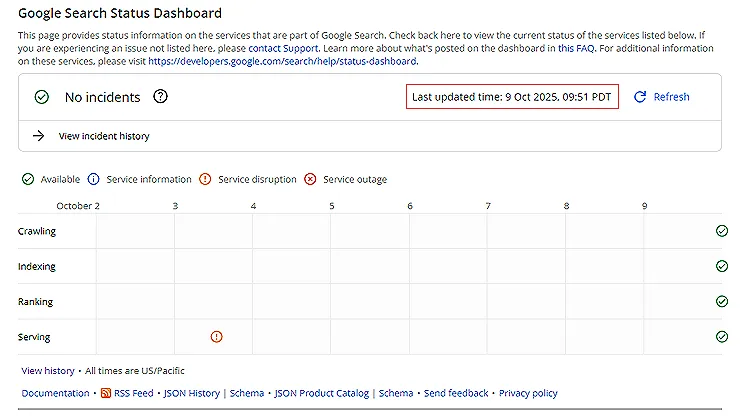
So, how do you figure out what’s happening when an update rolls out? Effective diagnosis involves tracking the update’s rollout via the Google Search Status Dashboard. You’ll want to analyze your pre- and post-update website traffic, search rankings, and SERP feature changes using tools like Google Search Console, Semrush Sensor, and Google Analytics. Don’t forget competitor analysis, too! It helps you understand the bigger picture of SERP volatility and how your site fits into the search ecosystem.
Timeline and Phases of Recovery
If you’ve been impacted, recovery typically occurs in phases. We usually see it as: Diagnose (weeks 1-4), Rebuild (weeks 5-12), and Reassess (weeks 13+). This emphasizes the importance of continuous content optimization, authority building, and, yes, patience! It’s not a quick fix; it’s about long-term website resilience and improving your content quality for the long haul. You’re aiming for sustained organic traffic.
Identifying Content Issues and Quality Signals
This is where you really dig into your high-quality content. Assessment involves evaluating Google’s quality guidelines, ensuring your content is original, comprehensive, and that experts cite sources. Is your content people-first, as the Helpful Content update emphasizes? Sites with thin, auto-generated, or low-value content tend to be negatively impacted by these algorithmic shifts. Google wants trustworthy content that truly serves user intent, so focus on those quality signals!
“Google’s core updates aren’t about penalizing bad sites; they’re about better rewarding good ones. Focus on providing genuine value and demonstrating true site authority, and you’ll always be aligned with their search algorithms and goals.”
Diagnosing Core Update Effects: Your Toolkit for Clarity
Okay, so a Google core update is rolling out, and you’re seeing some SERP volatility. How do you really figure out what’s going on with your search rankings? It’s not just about watching the news; you need a solid toolkit for clarity.
First off, always track the official rollout via the Google Search Status Dashboard. This is your primary source for understanding when the Core Algorithm Update is active. But that’s just the start of your strategic framework, right?
You’ll want to analyze your pre- and post-update site traffic, keyword rankings, and SERP feature changes. We’re talking about using powerful tools like Google Search Console for granular data on impressions and clicks, and Semrush Sensor for tracking volatility across industries. Don’t forget Google Analytics to see how user behavior might be shifting.
But hey, don’t just look at overall numbers! Dig deep into specific pages, content clusters, and even individual keywords. Are your Featured Snippets still there? Has your search visibility changed for specific topics? This meticulous approach helps you move past the initial panic and gather concrete data to inform your next steps for website resilience.
This diagnosis phase is critical for identifying potential content quality issues or shifts in how Google’s ranking system interprets relevance and site authority. It’s all about understanding those algorithmic shifts and how they’re impacting your content foundation.
Timeline and Phases of Recovery: Patience and Persistence
Okay, so you’ve tracked the Core Algorithm Update and diagnosed its initial impact. Now what? Recovery from Google core updates isn’t an overnight sprint; it’s definitely a marathon, demanding both patience and persistence. We typically see recovery happening in three main phases, and understanding them is key to your strategic framework.
Phase 1: Diagnose (Weeks 1-4)
This initial period, usually the first month after a significant algorithmic shift, is all about understanding what’s happening. You’re tracking the update’s full deployment, analyzing data from tools like Google Search Console and Google Analytics, and identifying areas affected by the Google core updates. It’s crucial to use resources like the Google Search Status Dashboard to confirm the update’s activity window.
During this phase, you’re looking for shifts in your search rankings, site traffic, and keyword rankings. Are you seeing significant SERP volatility? Which specific pages or content clusters have been impacted? This diagnostic stage helps you pinpoint potential issues related to content quality, user experience, or overall site authority, especially in light of recent updates like the October 2023 Spam Update or ongoing Helpful Content assessments.
Phase 2: Rebuild (Weeks 5-12)
Once you’ve diagnosed the issues, the next 2-3 months are dedicated to strategic content rebuilding. This is where you focus intensely on improving content quality and addressing any identified weaknesses. It could mean updating old content to better align with user intent, enhancing user experience across your site, or actively building stronger site authority through relevant, trustworthy content.
Remember, Google’s ranking system heavily favors high-quality content that provides real value. This phase often involves a deep dive into your content foundation, ensuring it meets the Quality Rater Guidelines and demonstrates expertise, authoritativeness, and trustworthiness (E-A-T), particularly for Your Money Your Life (YMYL) content. You might be reviewing your relevance signals and optimizing your content foundation to better resonate with Google’s algorithm adjustment.
Phase 3: Reassess (Weeks 13+)
Beyond the three-month mark, you enter the reassessment phase. Here, you continuously monitor performance, looking for positive shifts in your search visibility, organic traffic, and keyword rankings. You’re refining your approach based on what you’ve learned and the signals Google’s search algorithms are sending.
This phase emphasizes continuous content optimization and, crucially, patience. Sometimes, the full impact of your efforts, and subsequent recovery patterns, takes time to manifest within the search ecosystem. Google’s algorithm recalibration is ongoing, and your commitment to continuous improvement is key to long-term success and maintaining website resilience against future algorithmic shifts.
Your commitment to high-quality content and an excellent user experience isn’t just about recovering from an update; it’s about building a robust content foundation that stands the test of time. That’s the INTELLIPLANS way!
Identifying Content Issues and Quality Signals: What to Look For
When a Core Algorithm Update hits, it’s actually a perfect time to really scrutinize your content. You need to evaluate it against Google’s Quality Rater Guidelines. Is your content original? Is it comprehensive? Do you cite expert sources? Is it truly “people-first,” written to genuinely help users, rather than just for search engines?
Google’s search algorithms are getting incredibly sophisticated at detecting these quality signals. Sites with thin, auto-generated, or low-value content tend to be negatively impacted, often seeing a dip in search rankings and site traffic. Your focus should be on creating a strong content foundation, ensuring every piece of content on your site demonstrates expertise, authority, and trustworthiness.
Think about your user experience too; a great user experience is a powerful quality signal that contributes to your website resilience. The Helpful Content update, for instance, really emphasized this. It’s not just about keywords anymore; it’s about providing genuine value and relevance for user intent across the entire search ecosystem.
Many top-ranking articles, and even industry experts like Marie Haynes, emphasize that understanding the purpose of Core Updates is crucial. These updates are broad algorithm recalibrations aimed at delivering more useful, trustworthy search results. They don’t target specific sites but reassess ranking factors across the entire web, affecting sites’ authority and relevance evaluations. So, your content quality is always under review.
Checklist for SMB Executives: Navigating Google Core Updates
Hey there, busy SMB executive! Maintaining stability during these extended deployment windows, which are essentially Google’s way of recalibrating its search algorithms, is super important. It’s not about technical instability; it’s about a comprehensive algorithm adjustment. Here’s a quick checklist to help you stay ahead and ensure your website resilience:
Diagnosing Core Update Effects: Your Action Plan
First off, you need to be on top of diagnosing core update effects. This means actively tracking the update’s rollout. Keep a close eye on the Google Search Status Dashboard. You should also be analyzing your pre- and post-update site traffic and keyword rankings using tools like Google Search Console and Google Analytics. This helps you understand how the algorithm adjustment impacts your specific search visibility.
- Monitor Actively: Don’t just wait and see! Keep a close eye on the Google Search Status Dashboard for official announcements. Dive into your analytics tools like Google Search Console and Google Analytics. Look for shifts in your website traffic, search rankings, and overall search visibility. This proactive approach helps you spot SERP volatility early.
- Focus on Content Quality: This is huge! Prioritize creating and updating high-quality content that genuinely serves user intent. Think about Google’s Quality Rater Guidelines and the E-E-A-T framework. Is your content truly “people-first”? Sites with thin, auto-generated, or low-value content often take a hit during these algorithm recalibrations.
- Enhance User Experience: A fantastic user experience is a powerful ranking factor. Make sure your website is fast, mobile-friendly, and super easy to navigate. Google prioritizes sites that offer a seamless experience, and this directly impacts your search rankings.
- Build Site Authority: Work on earning high-quality backlinks and establishing your brand as an expert in your niche. This builds your site authority and relevance within the search ecosystem, which is crucial for long-term website resilience.
- Be Agile, Not Reactive: See the staged rollout as a ‘calibration window’ for your SEO strategy. Instead of panicking and making sweeping changes, use early signals to make small, informed algorithm adjustment. This agile SEO adjustment is key during periods of SERP volatility.
- Consult Experts: Don’t hesitate to partner with experienced SEO professionals like us at INTELLIPLANS. We understand algorithmic shifts and can provide a robust strategic framework to navigate Google core updates, including the nuances of the Helpful Content update and the October 2023 Spam Update.
Timeline and Phases of Recovery: A Strategic Approach
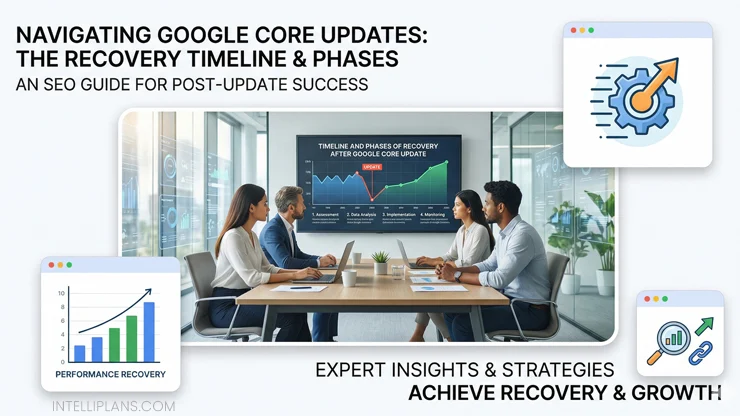
Understanding the timeline and phases of recovery is also critical. Typically, recovery occurs in three phases: Diagnose (weeks 1-4), Rebuild (weeks 5-12), and Reassess (weeks 13+). This emphasizes the importance of continuous content optimization, authority building, and patience. It’s not a quick fix; it’s a strategic, ongoing effort to improve your content foundation and quality signals.
By treating Google’s staged core updates not as a threat, but as a strategic opportunity, you can actually strengthen your online presence. It’s all about being meticulous, technically superior, and always, always putting your users first. And that’s exactly what we at INTELLIPLANS are here to help you achieve with a clear strategic framework for your search visibility.
Frequently Asked Questions About Google Core Updates
Hey there! You’ve got questions about Google core updates, and I’ve got answers. It’s totally normal to feel a bit overwhelmed by these algorithmic shifts, but understanding them is your first step to mastering your Search Engine Optimization strategy. Let’s dive in!
What’s the Big Deal? Core Updates vs. Other Updates
Ever wondered what makes a Google core update different from, say, a Helpful Content update or a Spam Update? Well, a core update is a pretty massive deal. It’s a broad, fundamental change to Google’s overall ranking system, designed to improve search results across the entire search ecosystem. Think of it as Google recalibrating its entire compass to point towards more useful, trustworthy content.
These updates aren’t targeting specific sites, but rather they’re reassessing ranking factors across the whole web, which can affect sites’ authority and relevance evaluations. On the other hand, updates like the October 2023 Spam Update or the Helpful Content update are usually more targeted. They tackle specific issues or refine particular aspects of the algorithm, like detecting low-quality affiliate content or identifying spam content detection.
How Long Does It Take to Bounce Back from a Core Update?
Okay, so your site traffic or keyword rankings took a hit. It’s tough, I know. But here’s the thing: recovery isn’t instant, and it definitely requires a strategic framework. Based on industry analysis and our experience, we typically see a three-phase process for recovery patterns:
- Diagnose (Weeks 1-4): This is where you track the update’s rollout via the Google Search Status Dashboard and analyze your pre- and post-update traffic. You’ll use tools like Google Search Console and Semrush Sensor to spot changes in SERP volatility, organic traffic, and even Search Engine Results Page Features.
- Rebuild (Weeks 5-12): This is your action phase. You’ll focus on improving overall content quality and user experience. This means evaluating Google’s quality guidelines, ensuring your content is original, comprehensive, and that experts cite sources. We often see YMYL sites (Your Money Your Life Content) and low-quality affiliate content most affected, so if that’s you, pay extra attention to building trustworthy content and site authority.
- Reassess (Weeks 13+): Here, you monitor performance during reassessments. You’ll continue to check your Google Analytics and Search Console data, looking for signs of improvement and validating your strategic content rebuilding efforts.
Your ability to recover depends on how quickly and effectively you address identified content and technical issues, always focusing on a strong content foundation and clear quality signals.
Should You Panic and Make Drastic Changes During a Core Update?
No, definitely not! I know it’s tempting to hit the panic button when you see SERP volatility and widespread ranking fluctuations. But making drastic, reactive changes during a live rollout can often do more harm than good. Think of it like this: would you re-route a massive ship in the middle of a storm without knowing where you’re going?
Instead, use the staged rollout as a ‘calibration window’ for Agile SEO Adjustment. This is where INTELLIPLANS shines! We advise making informed, data-driven decisions based on what you’re seeing in tools like Google Search Console. It’s about strategic framework and careful observation, not knee-jerk reactions. Sites like Search Engine Land, Sistrix, and Marie Haynes consistently emphasize this patient, data-first approach.
What Does Google Value Most During a Core Update?
Google’s core updates consistently prioritize factors related to the quality, relevance, and trustworthiness of content. They’re basically looking for the best possible answer to a user’s query. This includes:
- E-E-A-T: Expertise, Authoritativeness, and Trustworthiness. Does your content show real knowledge? Is your site a trusted source?
- User Intent Satisfaction: Does your content truly answer what the user was looking for? This is about understanding user intent and delivering on it.
- Originality and Comprehensiveness: Is your content unique and thorough? Sites with thin, auto-generated, or low-value content tend to be negatively impacted. Google wants people-first content!
- Overall User Experience: Is your site easy to navigate? Does it load quickly? Is it mobile-friendly? A good user experience is critical.
Sites with a strong content foundation and clear quality signals tend to fare better. They’re built on the principles Google outlines in its Quality Rater Guidelines.
How Do You Keep Tabs on a Google Core Update?
Keeping an eye on a Google core update’s progress is crucial for understanding its impact on your search rankings and website traffic. Here’s how you can track it like a pro:
- Google Search Status Dashboard: This is your official source. Google updates it with rollout information, so bookmark it!
- SEO Tools for Volatility: Tools like Semrush Sensor are fantastic for tracking SERP volatility across different niches and regions. It gives you a bird’s-eye view of algorithmic shifts.
- Your Own Data: Regularly checking your Google Analytics and Google Search Console data is non-negotiable. This will show you the direct impact on your specific site, including changes in search visibility and keyword rankings.
Monitoring performance during assessments and understanding these recovery patterns is key to maintaining website resilience during these periods of algorithm recalibration.