

Turn Search Intent Into Business Opportunities.
When potential customers search for services like yours, paid advertising can help put your business in front of them. INTELLIPLANS develops and manages PPC campaigns with thoughtful targeting, practical budget guidance, and a focus on meaningful customer inquiries—not just clicks.
- Relevant Customer Targeting
- Practical Budget Controls
- Conversion Tracking
Explore local roof repair services. Speak with a professional and request an estimate for your project.
The Right Search. The Right Ad. A Clear Next Step.
Pay-per-click advertising helps businesses compete for visibility when potential customers are looking for relevant products or services.
In a typical PPC search campaign, you pay when someone clicks your advertisement. But getting that click is only one part of the customer journey.
- 01 Customer Intentroof repair near me
A Customer Searches
Someone searches for a service, solution, or business that matches a specific need. That search helps reveal what they're looking for.
- 02 Advertising VisibilitySponsoredExplore services
Your Ad Can Appear
An eligible advertisement can appear for relevant searches, depending on targeting, competition, budget, and other platform factors.
- 03 Website Experience
They Visit Your Website
After clicking, visitors reach a page that should clearly explain the advertised service, answer their questions, and make contacting your business easy.
- 04 Customer ActionInquiry Sent
They May Take Action
When the experience meets their needs, visitors may call, complete a form, book an appointment, or request an estimate.
A Click Is Not the Same as a Customer.
Advertising can bring people to your website, but it cannot guarantee they'll become customers. That's why thoughtful PPC management considers what happens before and after the click.
What Makes Each Click More Meaningful?
- Relevant searches and clear advertisement messaging
- A useful landing page with an easy next step
- Reliable tracking of meaningful customer actions
This example illustrates a typical paid-search customer journey. Advertising placements, billing methods, and outcomes vary by campaign and platform.
Advertising Built Around Your Customers and Business Goals.
Effective PPC advertising begins with understanding who your customers are, where they search, and what motivates them to contact your business. We develop advertising strategies around your actual services, market conditions, and business priorities.
- 01
Local Service Businesses
Reach people searching for services in the cities and communities your business serves. From home repairs to installation and maintenance, geographic relevance matters.
Campaign ConsiderationTarget the areas you serve rather than spending on searches outside your market.
- 02
Professional Services
Connect your expertise with prospective clients researching specific services. Accounting, consulting, legal, and other professional firms often serve customers with well-defined needs.
Campaign ConsiderationMatch advertising messages to the particular service a prospective client is seeking.
- 03
Growing Businesses
Introduce a new service, reach an additional community, or evaluate search interest in an expanding market. PPC can provide controlled opportunities to test demand.
Campaign ConsiderationBegin with clearly defined offerings, target locations, and a manageable testing budget.
- 04
Seasonal & Changing Demand
Some services experience predictable busy seasons, changing customer demand, or time-sensitive opportunities. PPC budgets and schedules can be adjusted accordingly.
Campaign ConsiderationPlan advertising around actual service availability, seasonal trends, and operational capacity.
Every Part of Your Campaign Has a Purpose.
Successful pay-per-click management involves more than writing advertisements and choosing a daily budget. Each decision should support your business goals, attract relevant visitors, and help you understand what happens after someone clicks.
Six essential areas working together to support relevant traffic, responsible spending, and meaningful measurement.
- 01CAMPAIGN FOUNDATION
PPC Strategy & Campaign Setup
We begin by identifying your business goals, priority services, ideal customers, and competitive environment. From there, we organize campaigns around clear objectives rather than advertising everything to everyone.
Why it matters A well-defined campaign structure makes spending and performance easier to manage.Related: PPC campaign management Read More - 02SEARCH RELEVANCE
Keyword & Search Term Research
We examine how prospective customers search for your services and distinguish relevant inquiries from unrelated traffic. Keyword selection, match types, and negative keywords help guide when your advertisements are eligible.
Why it matters The goal is to attract useful searches while reducing avoidable clicks.Related: Keyword research fundamentals Read More - 03ADVERTISING MESSAGE
Ad Creation & Message Testing
We develop advertisements that communicate your services clearly, reflect relevant search intent, and give people a reason to learn more. Different headlines and messages can be evaluated against campaign objectives.
Why it matters Clear advertising helps visitors understand what your business actually offers.Related: Why paid ads struggle to convert Read More - 04AUDIENCE & LOCATION
Geographic & Schedule Targeting
We align campaign locations with the areas your business serves. When appropriate, advertising schedules and other targeting controls can reflect customer demand, available services, and your ability to respond to inquiries.
Why it matters Advertising should reflect where and when your business can serve customers.Related: Local Google Ads cost factors Read More - 05MEASUREMENT & INSIGHT
Conversion & Inquiry Tracking
We identify meaningful customer actions such as completed forms, phone calls, and appointment requests. Where reliable tracking is available, we use this information to evaluate campaign activity beyond impressions and clicks.
Why it matters A website visit is not a qualified lead. Measuring real actions provides better context.Related: Understanding Google Analytics Read More - 06CONTINUOUS IMPROVEMENT
Ongoing Campaign Optimization
We review campaign performance, search terms, spending patterns, advertising messages, and landing-page experience. Adjustments are based on available evidence and evolving business goals, rather than changes for their own sake.
Why it matters Improving the visitor experience can be as important as adjusting the advertisements.Related: Building better landing pages Read More
Good PPC Management Connects Every Detail.
Your campaign strategy, advertising messages, budget, website, and measurement should all support the same business objectives.
Know Where Your Advertising Dollars Go.
There's no universal price for PPC advertising. What makes sense for one business may not make sense for another. The right starting point is understanding what affects advertising costs, how your budget is used, and what your business needs to accomplish.
Know what you're spending on advertising, what management involves, and how campaign decisions will be evaluated.
What Influences the Cost of a Click?
Search advertising prices are influenced by an auction and the circumstances surrounding each search. These are four considerations that can affect what advertisers pay.
- 01
Competition in Your Market
Some services attract more advertisers competing for the same customer searches. Greater competition can increase advertising costs.
- 02
Geographic Location
Advertising conditions vary among cities, regions, and service areas. Targeting should reflect where your business actually operates.
- 03
Keywords & Search Intent
Different searches have different commercial value and competition. Someone researching a service may behave differently from someone ready to request an estimate.
- 04
Ad & Landing Page Relevance
Search platforms consider ad quality, relevance, and the destination page. A useful, consistent experience can influence auction performance.
A low cost per click means little if the visitors aren't potential customers. Relevant inquiries matter more than traffic volume alone.
Budget Controls Matter. So Does Understanding Them.
Platforms such as Google Ads offer spending controls, but an average daily budget isn't always a strict daily cap. Actual daily spending can vary, subject to applicable spending limits. A sound PPC strategy accounts for these rules before launch.
From Campaign Planning to Continuous Improvement.
Effective PPC advertising requires a clear plan, careful implementation, and ongoing attention. Our process connects your business objectives with the decisions that shape your advertising, from initial research through campaign measurement and refinement.
Campaigns are planned around your services, reviewed against meaningful information, and adjusted as conditions change.
- 01DISCOVERY & PLANNING
Discover Your Goals
We begin by understanding your services, ideal customers, geographic market, available budget, and business priorities. We also discuss what a useful customer inquiry looks like for your organization.
- 02MARKET RESEARCH
Research Customer Demand
We examine relevant searches, keyword opportunities, market competition, service areas, and advertising conditions to develop a practical campaign direction.
- 03CAMPAIGN DEVELOPMENT
Build the Campaign
We organize campaign settings, targeting, keywords, exclusions, and advertisements. We also consider whether the destination page clearly supports the advertising message and customer expectations.
- 04MEASUREMENT SETUP
Configure Meaningful Tracking
Where appropriate and technically feasible, we configure measurement for customer actions such as submitted forms, phone inquiries, and appointment requests. Tracking is checked before relying on the resulting information.
- 05LAUNCH & VALIDATION
Launch and Verify
We review the campaign's readiness, confirm essential settings, and monitor its initial activity after launch. Early observations help identify issues requiring attention before further adjustments are considered.
- 06REVIEW & REFINEMENT
Review, Learn, and Improve
We evaluate spending, search terms, advertisement performance, and available conversion information. Campaign changes are informed by evidence, business priorities, and the quality of customer inquiries.
Launching a Campaign Is a Starting Point, Not the Finish Line.
Search behavior, competition, business priorities, and campaign performance can change. Ongoing management provides opportunities to identify problems, evaluate customer response, and make more informed advertising decisions.
Getting the Click Is Only the Beginning.
Your advertisement makes the introduction. Your landing page needs to help visitors understand your service, decide whether your business is a good fit, and take the next step. When the advertising message and website experience work together, your campaign has a stronger foundation.
What Makes a Landing Page More Effective?
A successful click brings someone to your website. What happens next depends on whether the page addresses their needs and makes it easy to move forward.
- 01
Match the Advertising Message
If an advertisement promotes roof repair, the destination should clearly explain roof repair—not send visitors to an unrelated or overly general page.
- 02
Make the Mobile Experience Easy
Visitors should be able to read your content, understand your offer, and contact your business comfortably from a phone or tablet.
- 03
Provide a Clear Next Step
Whether you want a phone call, appointment, or estimate request, the page should make the intended action easy to find and complete.
- 04
Give Visitors Reasons to Trust You
Useful service details, accurate business information, relevant experience, and authentic customer feedback can help visitors evaluate your business.
Find information about repairs, service options, and requesting an estimate.
Request an EstimateBetter Advertising Starts With a Better Destination.
A relevant advertisement and a useful landing page should tell a consistent story. Neither guarantees a customer inquiry, but both contribute to a more helpful experience for people considering your business.
Experienced Guidance. Practical Advertising Decisions.
Choosing someone to manage your advertising means trusting them with your business priorities and marketing budget. At INTELLIPLANS, we approach PPC as one part of a broader digital strategy, with an emphasis on clear communication, thoughtful planning, and practical decisions.
Decades of experience working with websites, digital technology, and the changing ways businesses reach customers online.
One Connected Digital Perspective.
Advertising doesn't operate in isolation. The website visitors reach, the services they discover, and the information they use to make decisions all contribute to the customer experience.
- Website Experience What customers see after they click
- Digital Marketing How businesses connect with their audiences
- PPC Campaign Management How paid advertising supports business goals
Advertising Decisions Should Serve the Business.
Rather than treating every advertising campaign the same way, we consider the broader circumstances that influence whether your investment makes sense.
- 01
A Broader Digital Perspective
We understand how web design, search visibility, and digital marketing contribute to the customer journey. That perspective helps us consider more than the advertisement itself.
- 02
Business-Focused Recommendations
Your available budget, service area, customer demand, and operational capacity matter. We consider those realities when discussing campaign priorities and advertising opportunities.
- 03
Clear Advertising Priorities
Advertising involves choices about spending, targeting, messaging, and measurement. We believe business owners should understand the reasoning behind those decisions.
- 04
Measurement With Business Context
Clicks and impressions tell only part of the story. We emphasize meaningful customer actions and available evidence, while recognizing the limitations of tracking and attribution.
Let's Discuss What Makes Sense for Your Business.
Whether you're considering your first PPC campaign or reviewing an existing advertising investment, a useful conversation starts with your goals, market, and expectations.
Paid Advertising Works Best as Part of a Bigger Strategy.
PPC can help your business reach people through paid advertising, but the customer journey doesn't begin or end with an ad. Your website, organic search visibility, and emerging AI discovery channels can serve complementary roles in helping customers discover, evaluate, and contact your business.
One Business Goal. Different Ways to Support It.
Each discipline contributes something different to your digital presence. Understanding those differences helps you decide where to invest your time and resources.
Website Design
A professional, responsive website helps visitors understand your services, evaluate your business, and take the next step after clicking an advertisement.
Explore Website DesignSearch Engine Optimization
SEO improves the foundations that help search engines discover and understand your website. It supports organic visibility independently of paid advertising campaigns.
Explore SEOGenerative Engine Optimization
GEO emphasizes clear, useful, well-supported content that strengthens your website's foundation for AI-generated search experiences and answers.
Explore GEOAI Optimization
AIO focuses on stronger business information, understandable website content, and digital foundations that support evolving AI-assisted discovery experiences.
Explore AIOA Connected Strategy Doesn't Mean You Need Every Service at Once.
The right priorities depend on your business, market, budget, and existing digital presence. PPC, organic search, and AI-related discovery serve different purposes. Paid advertising does not automatically improve organic rankings or guarantee placement in AI-generated answers.
Measure What Matters Beyond the Click.
Clicks, impressions, and advertising costs provide useful information, but they don't tell the entire story. Understanding PPC performance means connecting campaign activity with meaningful customer actions, advertising efficiency, and the quality of inquiries your business receives.
Understanding Campaign Performance
- STAGE 01
Ad Interaction
People find and click your advertisement.
Visitor Activity - STAGE 02
Recorded Inquiry
A measurable contact action is recorded.
Customer Action - STAGE 03
Lead Quality
Your business evaluates whether the inquiry is a good fit.
Business Relevance
Signals Worth Reviewing
REPORTING LENSTracking Has Limitations. Not every customer interaction can be measured perfectly. Data quality, attribution settings, privacy choices, and tracking implementation affect what reports can show.
Four Questions Your PPC Reporting Should Help Answer.
Useful reporting explains what the campaign is accomplishing and what may require attention, rather than simply presenting more data.
- 01
Are We Reaching Relevant Searchers?
Clicks and impressions help describe advertising activity. Search terms, campaign targeting, and visitor behavior provide additional context about relevance.
- 02
Are Visitors Taking Meaningful Action?
When properly configured, conversion measurement can record actions such as completed forms, calls, and appointment requests. The meaning of each recorded conversion should be clearly defined.
- 03
What Does Each Recorded Lead Cost?
Cost per recorded lead compares advertising spend with the number of recorded leads, when that count is greater than zero. It's one indicator of campaign efficiency, not a complete measure of profitability.
- 04
Are Those Leads Valuable to Your Business?
A recorded inquiry may be irrelevant, duplicated, or outside your service area. Feedback about lead quality and actual business outcomes helps place campaign metrics in context.
Better Information Supports Better Advertising Decisions.
No single PPC metric tells the whole story. Our approach emphasizes meaningful measurement, informed interpretation, and practical adjustments based on your business objectives and the quality of available data.
Practical PPC Insights for Business Owners.
Better advertising decisions begin with a clearer understanding of how digital campaigns work. Explore practical articles from INTELLIPLANS covering conversion challenges, advertising costs, and the measurements that help explain search performance.
 01
01 Paid Digital Ads: 20 Reasons for Low Conversions
Why do paid advertisements sometimes attract visitors without generating meaningful inquiries? Explore factors involving audience targeting, ad messaging, landing pages, budgets, and campaign measurement that deserve consideration.
 02
02 Google Ads PPC Costs for Chiropractors
Using chiropractic practices as an industry-specific example, this article explores Google Ads budgeting, management fee structures, competitive markets, and the factors that influence advertising expenses.
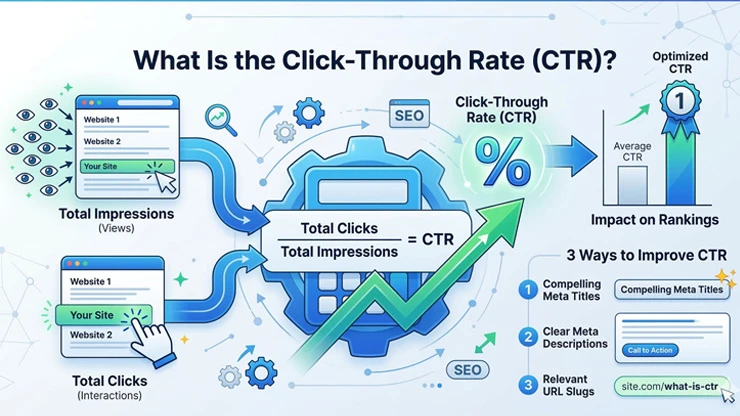 03
03 What is Click-Through Rate? A Guide to CTR Marketing
Understand the relationship between clicks, impressions, and click-through rate. This guide focuses primarily on organic search, providing useful context for interpreting engagement across search marketing channels.
Useful Information. Better Questions. More Informed Decisions.
These articles are educational starting points. The right advertising decisions depend on your actual market, budget, customer demand, and business objectives. Not every recommendation applies equally to every campaign.
Straight Answers to Common PPC Questions.
Understanding how PPC works can help you make more informed advertising decisions. Here are answers to common questions about budgets, campaign timing, customer targeting, lead tracking, and professional management.
01 How much should my business spend on PPC advertising?
There is no universal PPC budget that works for every business. Appropriate spending depends on your market, competition, services, customer demand, and business objectives.
A practical starting budget should also account for the cost of generating enough useful campaign activity to evaluate. Advertising spend and professional management costs should be considered separately when planning the investment.
02 What is the difference between PPC and SEO?
PPC is paid advertising. Businesses can compete for advertising placements through platforms such as Google Ads, with charges based on the applicable campaign billing model.
Search Engine Optimization (SEO) focuses on improving a website's foundations for organic search visibility. Paying for PPC advertisements does not purchase or guarantee higher organic search rankings.
03 How quickly can a PPC campaign start generating activity?
Once a campaign has been properly configured, approved, and made eligible to serve, advertisements may begin appearing relatively quickly. Actual timing depends on platform review, campaign settings, competition, and advertising eligibility.
However, appearing in search results, receiving clicks, and producing qualified customer inquiries are different outcomes. Campaigns need sufficient observation and evaluation before meaningful conclusions can be drawn.
04 Can PPC advertising target customers in my service area?
Yes. Advertising platforms offer geographic targeting options that can help focus campaigns on selected cities, regions, or other supported geographic areas.
Location targeting should be configured carefully, including the applicable presence, interest, and exclusion settings. Geographic controls help improve relevance, but they do not guarantee that every impression or click will come from someone physically within your intended area.
05 How will I know whether my PPC campaign generates leads?
When appropriate tracking is configured, campaigns can measure selected actions such as completed contact forms, phone inquiries, and appointment requests. These actions can be compared with advertising spending and campaign activity.
Tracking is not perfect, and a recorded conversion is not necessarily a qualified lead or paying customer. Feedback from your business about actual inquiries helps provide important context.
06 Do I need a new landing page to run PPC advertising?
Not necessarily. An existing website page may work when it clearly explains the advertised service, performs well on mobile devices, establishes credibility, and makes contacting your business easy.
If your current page is confusing, slow, or unrelated to the advertisement, improving the experience may be worthwhile. Our Website Design services can complement PPC by addressing the destination visitors see after clicking.
07 Are PPC management fees separate from advertising costs?
Advertising spend is the amount allocated to the advertising platform. Campaign management fees, when applicable, cover professional services such as planning, setup, monitoring, optimization, and reporting.
Landing-page development or specialized tracking may also involve additional services. The scope of management, advertising budget, and any separate costs should be clearly identified before work begins.
08 Is PPC advertising a good fit for every business?
No. PPC is not automatically the best starting point for every organization. It can be worth considering when a business has clear customer demand, realistic spending expectations, and the capacity to respond to inquiries.
If your website needs substantial improvement, your advertising objectives are unclear, or your team cannot handle additional inquiries, addressing those issues first may be the more practical decision.
Have Questions About Your Specific Business?
Every market is different. A discussion about your services, customers, and objectives can help determine whether PPC deserves a place in your marketing strategy.