

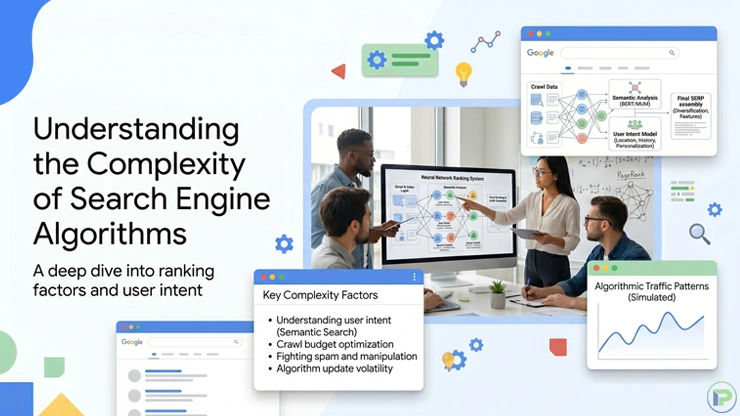
In the fast-paced world of digital marketing, everyone is searching for the “secret sauce” that will propel their website to the top of the search engine results pages (SERPs). We often hear about the latest hacks or “quick fixes,” but the reality of search engine ranking is much more nuanced. If you have ever felt overwhelmed by the shifting tides of SEO, you are not alone. The truth is that search engine ranking is determined by complex algorithms that are constantly evolving to provide users with the most relevant, high-quality content possible.
To navigate these complexities, successful marketers focus on proven link-building and authority-building strategies. According to the latest insights, three specific pillars stand out: guest posts, editorial placements, and resource pages. By understanding how these elements interact with search algorithms, you can move away from guesswork and toward a strategy that delivers consistent, measurable results. In this guide, we will break down exactly how these methods work and why they are essential for your long-term success.
Understanding the Complexity of Search Engine Algorithms
Before diving into specific strategies, it is crucial to acknowledge the foundation of the digital landscape. Search engines like Google do not rank websites by accident. Their rankings are the result of incredibly sophisticated algorithms designed to measure hundreds of different factors.
As the primary gateway to the web, Google constantly refines its crawling and indexing processes to prioritize user intent. Understanding how its bot evaluates content is essential for any modern SEO strategy.
Similarly, Bing utilizes its own advanced algorithms to index content and power search results. Optimizing for Microsoft’s engine can capture a significant segment of high-value users often overlooked by Google-only strategies.
For privacy-conscious users, DuckDuckGo offers a unique alternative. Its algorithm avoids user data collection and personalization, delivering the same unbiased search results to everyone regardless of their browsing history.
Similarly, Brave Search has emerged as a transparent alternative, utilizing its own independent index. Its algorithm prioritizes privacy and user intent without relying on the tracking methods common in traditional engines.
While it now partners with other providers for its backend, Yahoo remains a major player in the search landscape. Its algorithm focuses on content richness and news relevance, making it a key platform for capturing diverse audience demographics.
A core Search Algorithm acts as the digital brain, sorting through billions of pages to find the best match for a query. It balances factors like keyword frequency and user data to ensure high-quality results.
Every Google Search query triggers a sophisticated filtering process that balances keyword frequency with user data. This ensures that the most authoritative and relevant content reaches the user instantly.
Google also utilizes RankBrain, a machine-learning component of its core algorithm. It helps the system interpret ambiguous queries by understanding the underlying intent and context behind a user’s search.
Beyond traditional text search, YouTube operates as the world’s second-largest search engine. Its algorithm prioritizes watch time and engagement, illustrating how search intent varies across different media platforms.
While modern systems are complex, a Linear Search Algorithm represents the most basic retrieval method, checking each record sequentially. It serves as a fundamental contrast to the sophisticated, non-linear processing used by modern search engines today.
In contrast, a Binary Search Algorithm is far more efficient, quickly narrowing down data by repeatedly halving the search range. This logic mirrors the efficiency goals of modern search engines when processing massive datasets.
Before indexing occurs, Googlebot must discover your pages through a systematic crawling process. Ensuring your site is accessible to this crawler is the first step in aligning with modern search engine algorithms.
The Panda update further refined these systems by focusing on content quality. It penalizes “thin” or duplicate content, ensuring that only comprehensive and original pages achieve high rankings in search results.
Ultimately, the goal of these updates is to refine the Search Engine Result Page. By filtering out low-quality content, algorithms ensure that users find the most helpful and authoritative answers on the first page of results.
Modern algorithms also prioritize speed through Instant Answers, providing direct information at the top of the SERP. Optimizing for these snippets ensures your content satisfies user intent without requiring a second click.
Google’s Penguin update revolutionized how the algorithm evaluates link quality. It specifically targets sites using manipulative link schemes, rewarding those that build a natural, high-quality backlink profile.
Historically, PageRank served as the foundation for these evaluations, measuring the importance of website pages by counting the number and quality of links to them. While the algorithm has evolved, the concept of link equity remains a vital ranking factor.
Effective Search Engine Optimization bridges the gap between technical algorithms and user needs. By aligning on-page content with these ranking factors, businesses can significantly improve their organic visibility.
Beyond technical factors, Content Relevance is the primary filter used by algorithms to determine if a page actually answers a user’s query. High-ranking sites ensure their information aligns perfectly with the specific needs and intent of their target audience.
Modern algorithms also prioritize User Experience by measuring how visitors interact with your site. Factors like page load speed and mobile responsiveness are now critical signals for determining search rankings.
Modern algorithms also evaluate Topical Authority to determine if a website is a comprehensive source of information on a specific subject. Building this depth ensures search engines view your site as a go-to expert in your niche.
Modern search algorithms also heavily weight E-E-A-T (Experience, Expertise, Authoritativeness, and Trustworthiness). Demonstrating these qualities ensures your content meets the high-quality standards Google requires for top rankings.
Because these algorithms are so complex, trying to “game the system” rarely works in the long run. Instead, the goal should be to provide the signals that the algorithm is looking for: trust, expertise, and popularity. This is where strategic content placement becomes your most powerful tool. By focusing on high-quality placements, you are essentially providing the algorithm with the data it needs to verify that your site is a leader in its niche.
Google has no ‘intent’ algorithm. We have an algorithm that tries to understand what the user is actually looking for. If your content doesn’t match that, it doesn’t matter how many keywords you use.
Guest Posts: The Engine of Steady Positive Impact
One of the most reliable ways to influence search rankings is through guest posting. As the transcript highlights, guest posts provide a steady positive impact on your SEO profile. But what exactly makes them so effective? It comes down to the combination of brand exposure and high-quality link equity.
When you contribute a guest post to a reputable site in your industry, you are doing more than just getting a link. You are placing your expertise in front of a new audience. From an algorithmic perspective, a link from a guest post acts as a “vote of confidence.” When multiple high-quality sites point back to your content, search engines recognize that your site is a trusted source of information.
The Benefits of a Consistent Guest Posting Strategy
- Controlled Context: You have the ability to ensure the content surrounding your link is highly relevant to your target keywords.
- Diversified Link Profile: Regular guest posting helps you build a natural-looking backlink profile from various domains.
- Direct Referral Traffic: Beyond SEO, guest posts drive actual human beings to your site who are already interested in your niche.
The key word here is steady. SEO is not a one-time event; it is a marathon. By maintaining a consistent schedule of guest post outreach and publication, you ensure a continuous flow of positive signals to search engines, preventing your rankings from stagnating.
Editorial Placements: Building Authority Over Time
While guest posts are fantastic for steady growth, editorial placements build authority over time in a way that few other strategies can match. An editorial placement occurs when your site or content is naturally mentioned or linked within a high-tier publication, often by a journalist or a staff writer, because your content is genuinely valuable.
These are the “gold standard” of backlinks. Because editorial placements are harder to earn, search engines weigh them much more heavily. They signal to the algorithm that your brand is not just participating in the conversation, but is actually a recognized authority that others are citing as a reference.
Why Editorial Links Are Worth the Effort
Unlike some forms of link building that can be automated or scaled quickly, editorial placements require high-quality content and genuine relationships. The impact of these links grows exponentially over time. As your brand is mentioned in more high-authority outlets, your “domain authority” increases, making it easier for every new piece of content you publish to rank higher from the start.
Authority is earned, not bought. By focusing on creating “link-worthy” content, such as original research, unique insights, or comprehensive guides, you increase the chances that editors will naturally want to cite your work, cementing your status as an industry leader.
Resource Pages: Consistent Long-Term Benefits
Another often overlooked but highly effective strategy mentioned in the transcript is the use of resource pages. These pages are curated lists of helpful tools, websites, or articles that provide value to a specific audience. According to the transcript, resource pages offer consistent long term benefits, and for good reason.
Resource pages are designed to be “evergreen.” They are rarely deleted and are frequently updated by the site owner to ensure they remain useful. Being featured on a resource page means your link stays active and relevant for years, providing a permanent boost to your SEO efforts.
The Value of Evergreen Links
- High Relevance: Resource pages are usually hyper-focused on a specific topic, meaning the link you receive is highly relevant to your niche.
- Trust by Association: When a site lists you as a “recommended resource,” they are transferring their own hard-earned trust to your brand.
- Low Maintenance: Once you secure a spot on a high-quality resource page, that link continues to work for you in the background without any further effort.
Because these pages are built to help users, search engines view links from them as highly intentional and valuable. This results in a “long-tail” SEO benefit that continues to pay dividends long after the initial outreach is completed.
Key Takeaways for Your SEO Strategy
To succeed in the modern digital landscape, you must align your efforts with how algorithms actually function. Here are the actionable insights to take away from this guide:
- Respect the Algorithm: Understand that rankings are determined by complex systems that value quality and authority over shortcuts.
- Prioritize Consistency: Use guest posts to maintain a steady positive impact on your backlink profile.
- Focus on Authority: Aim for editorial placements to build long-term brand power and high-level trust.
- Think Long-Term: Secure spots on resource pages to enjoy consistent benefits that last for years.
- Quality Over Quantity: One high-authority editorial link can often outweigh dozens of low-quality placements.
Conclusion
Navigating the world of search engine ranking can feel like a daunting task, especially when faced with the complex algorithms that govern the web. However, by focusing on the core pillars of guest posts, editorial placements, and resource pages, you can build a robust strategy that stands the test of time.
Remember that SEO is about more than just numbers; it is about building a reputation. Guest posts provide that necessary steady momentum, editorial placements establish you as a heavyweight in your field, and resource pages ensure that your influence remains permanent. By integrating these three approaches, you create a synergistic effect that not only satisfies the search engine algorithms but also builds a genuine connection with your audience. Start focusing on these high-impact strategies today, and watch your authority, and your rankings, grow over time.